Did Social Media End the Age of the It-Bag?
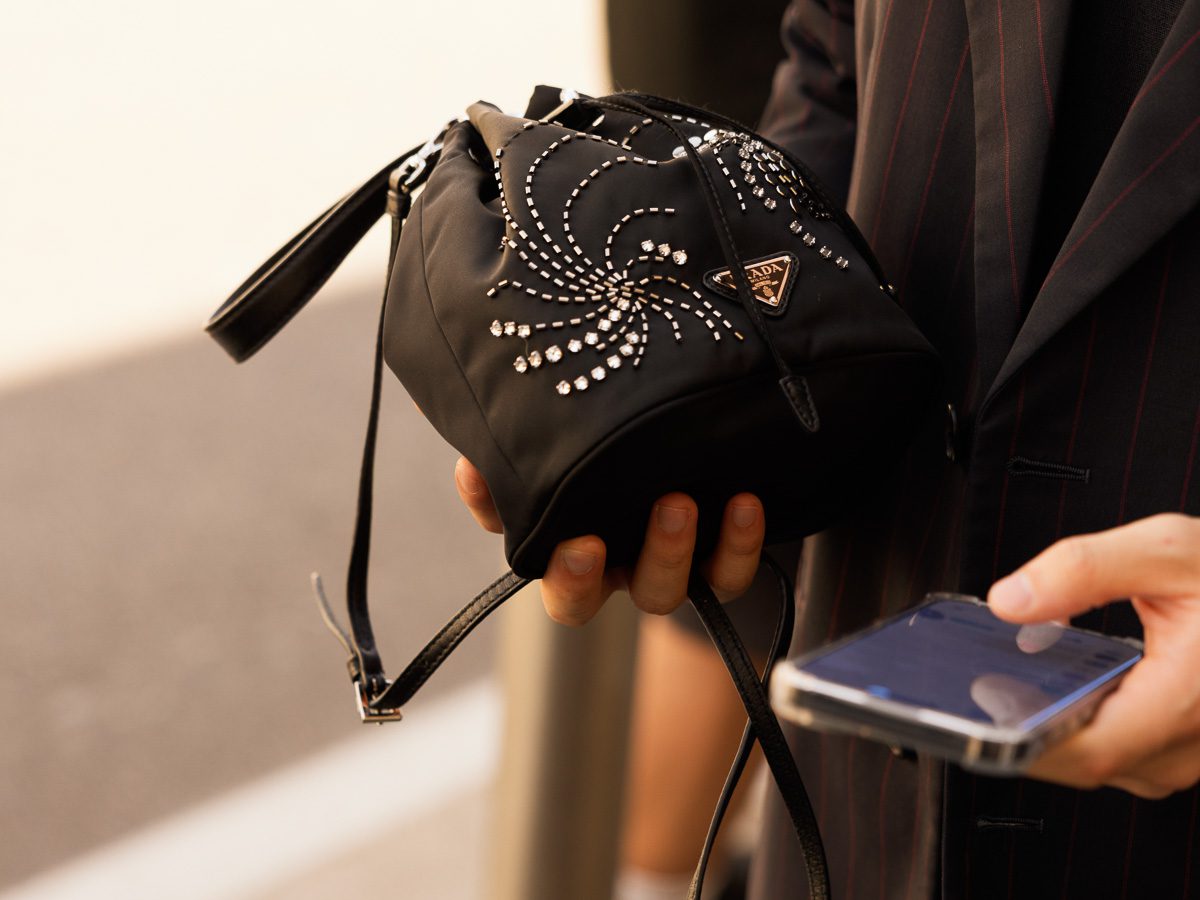
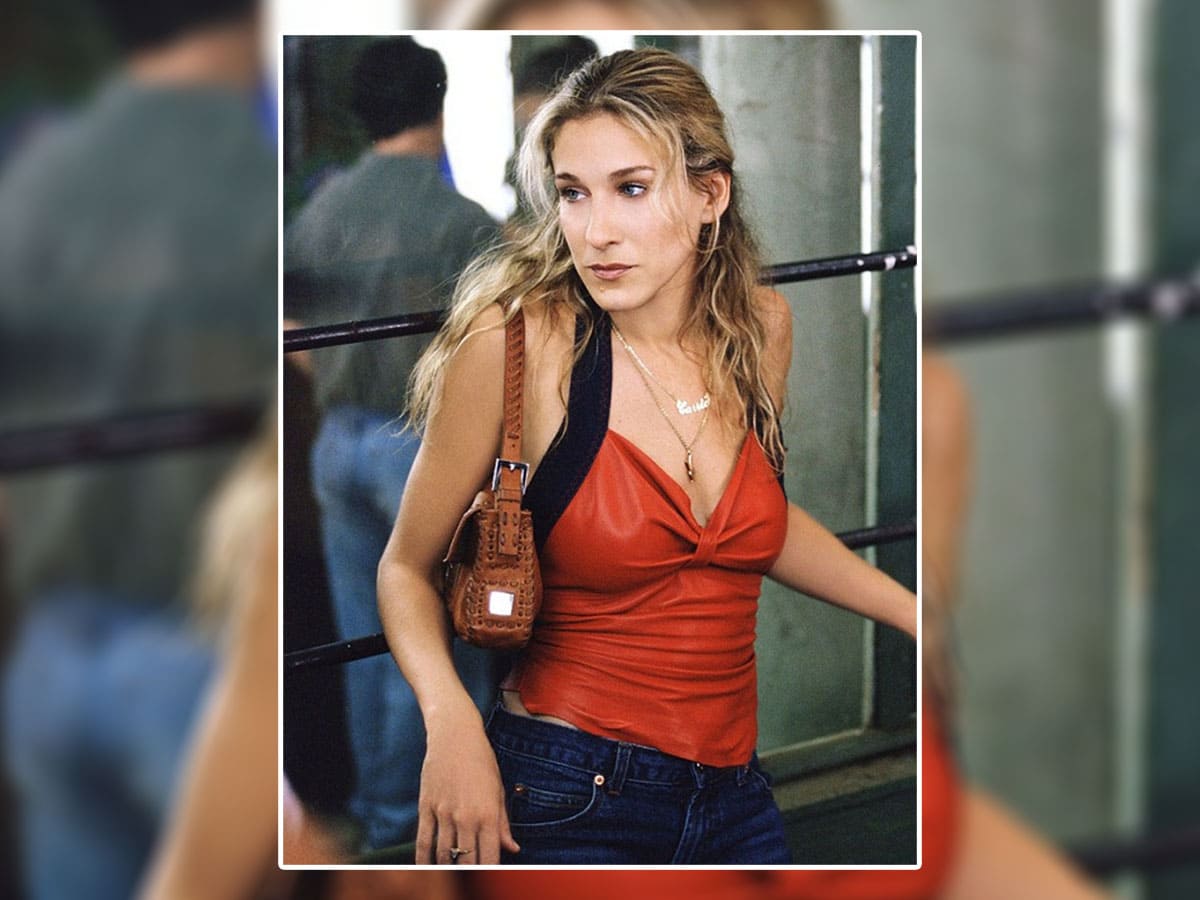
While the It-Bag has historical roots (one could argue they date back to the 1950s with the Hermès Kelly and the Chanel Flap), the true era of the It-Bag began with the Fendi Baguette, which was propelled into the mainstream by Sex and the City.
A clear favorite of Carrie Bradshaw, the show featured multiple iterations of the iconic bag draped over the arm of its main character, even referencing it in the script. Sex and the City helped launch the Baguette beyond the fashion crowd and into the cultural mainstream, and to this day, few other handbag designs have come close to achieving such an iconic moment in pop culture.
What Made an It-Bag an It-Bag?
The term It-Bag can be defined in a variety of ways, but most definitions agree on one thing: an It-Bag reaches a level of popularity that extends far beyond those who closely follow fashion. Not only do handbag enthusiasts covet an It-Bag, but a true It-Bag becomes a cultural phenomenon—an icon recognizable even to those who couldn’t care less about the latest runway collections.
Since the late ’90s, when the era of the It-Bag truly began, countless cult favorites have become the must-have accessory of the season—or, in some cases, several seasons.
You know the kind: the bag that told the world, I’m here.
I’ve made it.
Look at me.
In many cases, an It-Bag was only truly an It-Bag if most people couldn’t actually get their hands on one.
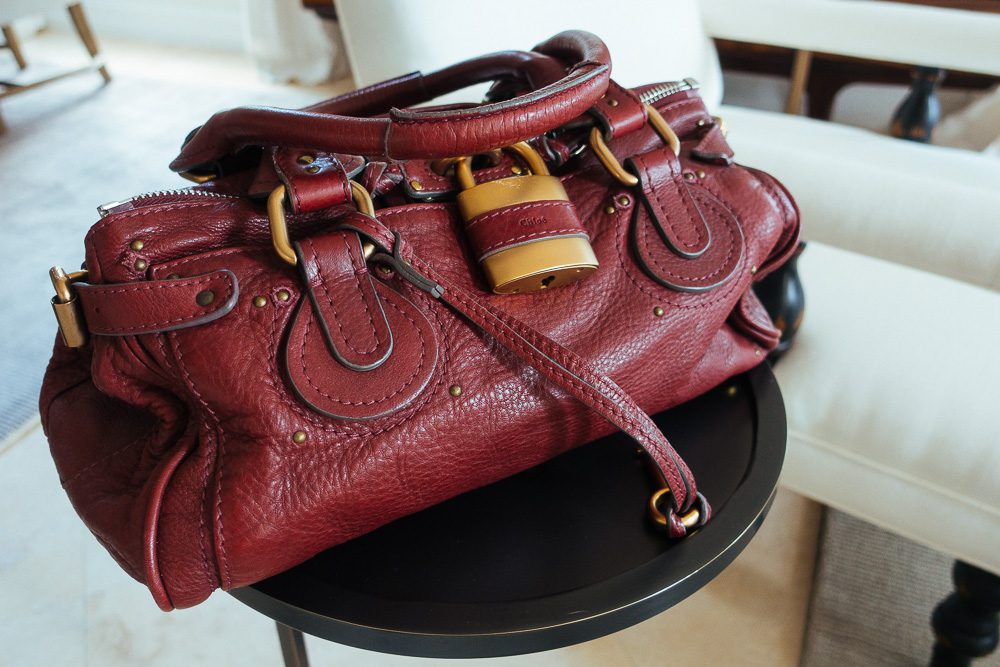
Take, for example, the Chloé Paddington, which debuted in 2005 to widespread acclaim (Megs and Vlad even spent a day driving across Germany to buy one). Characterized by its oversized lock and iconic slouchy silhouette, the Paddington became one of the defining bags of the era, leaving shoppers clamoring to find one of their own.
The Louis Vuitton Monogram Multicolore Speedy, the Celine Luggage Tote, Balenciaga’s Le City Bag, the Dior Saddle Bag, and countless others were once the bags of the moment before cementing their places in handbag history. Fashion may be cyclical, and each of these icons has enjoyed a renaissance in recent years, but can the true age of the It-Bag return as well?
Let’s discuss.
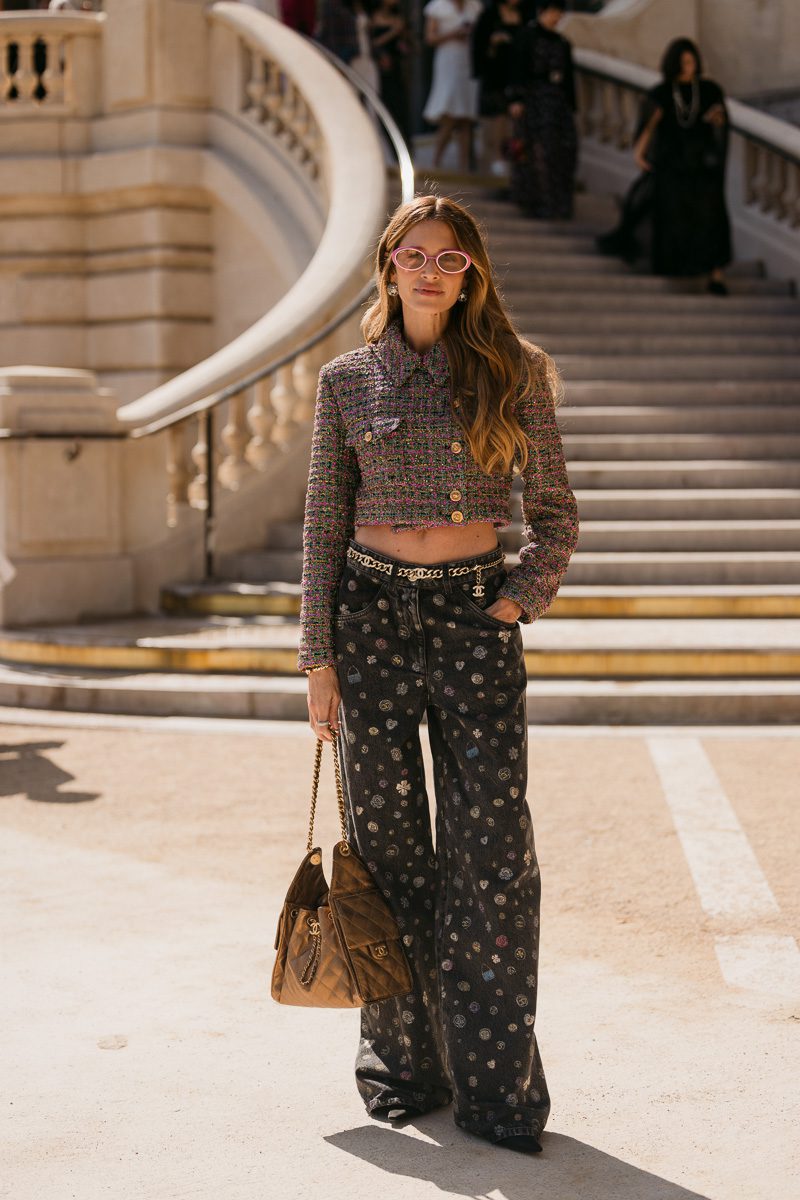
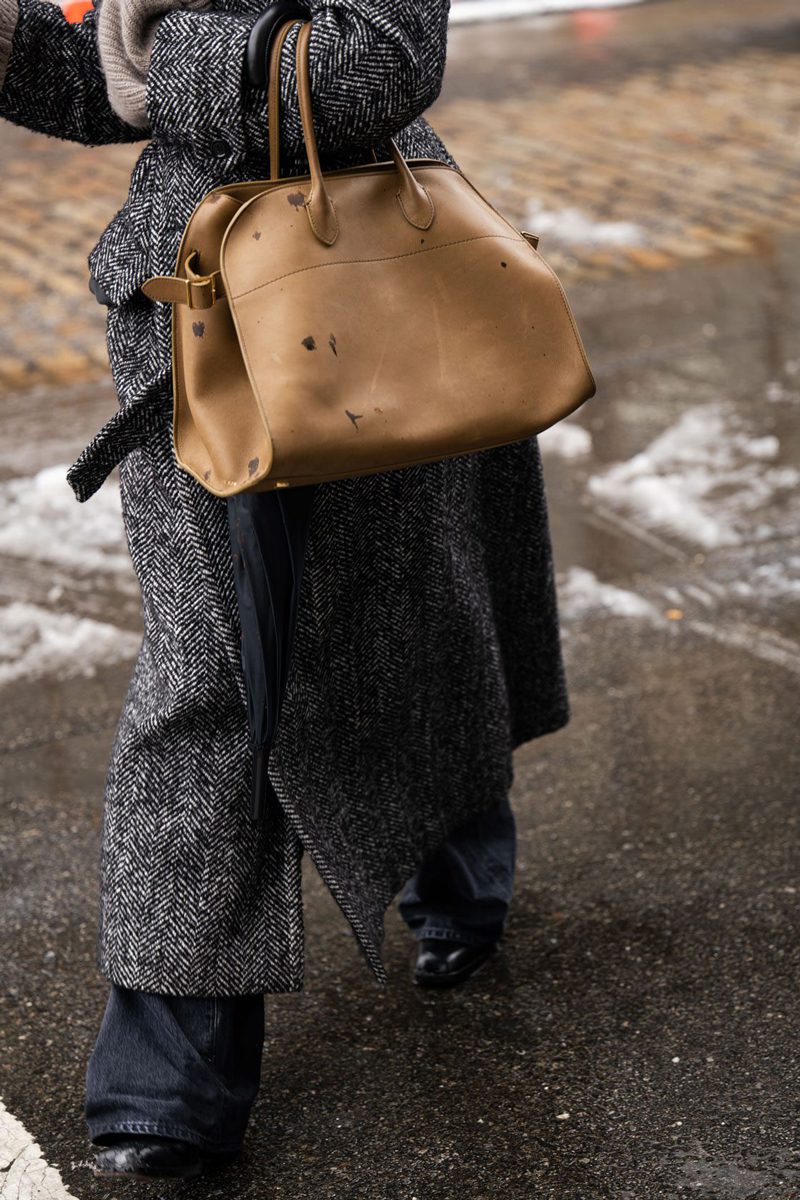
There have been plenty of new releases that debuted to immense fanfare. Think the Dior Book Tote phenomenon of the late 2010s, The Row Margaux, the Chanel 25, and more. These bags have been embraced by celebrities and influencers alike and spotted everywhere from Fashion Week to the streets of major cities. Still, few have managed to transcend the fashion bubble in quite the same way.
Did social media kill the age of the It-Bag?
How Social Media Changed the Trend Cycle
Platforms like Instagram and TikTok have fundamentally changed the way trends spread. A popular bag can become an overnight sensation thanks to the reach of social media and the carefully orchestrated drop-day strategy embraced by today’s biggest luxury brands. But that same speed may be working against the next great It-Bag. By the time a design reaches people beyond the fashion crowd, the tastemakers who helped popularize it have often already moved on.
Influencers and content creators are constantly chasing what’s next in order to keep their content fresh in an increasingly saturated landscape. If the people who first made a bag desirable have already replaced it with something new, a broader audience is less likely to develop the same attachment. Add to that growing consumer skepticism surrounding influencer-brand relationships, and the formula that once created true It-Bags becomes even harder to replicate.
Is Scarcity the Missing Ingredient?
It seems social media has taken away the time an item needs to organically develop true It-Bag status. Plus, the way we shop—and the way we think about our bags—has undoubtedly changed. According to the divisive Ask Vanessa column on the “end of the handbag,” written by New York Times fashion critic Vanessa Friedman, demand for women’s handbags was down 5.5% in April 2026 compared with the same period a year earlier.
Still, the handbag is not—and likely never will be—dead. But perhaps the age of the It-Bag, at least as we once knew it, is. While social media and today’s accelerated trend cycle deserve some of the blame, the resurgence of re-edition styles has also played a role. Many of the bags that defined the original It-Bag era are now readily available on the secondhand market, making them far more accessible than they once were and diminishing the scarcity that helped fuel their allure.
Maybe that’s the biggest difference of all. The It-Bags of the late ’90s and early 2000s weren’t just desirable—they felt unattainable. Today, the next must-have bag can become an overnight sensation, but just as quickly, it’s replaced by another. In a world where everything can go viral, perhaps nothing has the time to become truly iconic.
What do you think?
Related Post
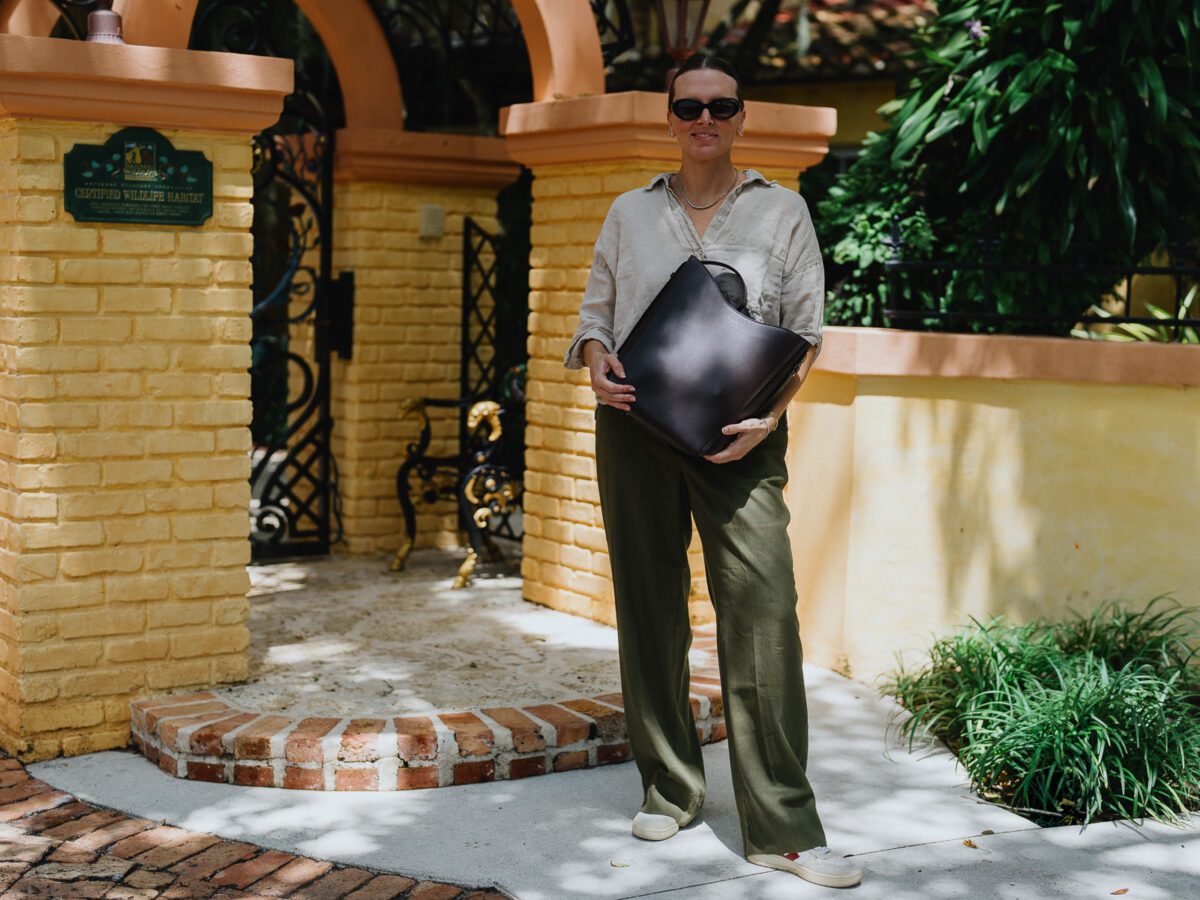
The Hobo Bag Is Back, and Le Tanneur Gets It Right
Some bags immediately make sense to me, and the Céleste from Le Tanneur is one [...]
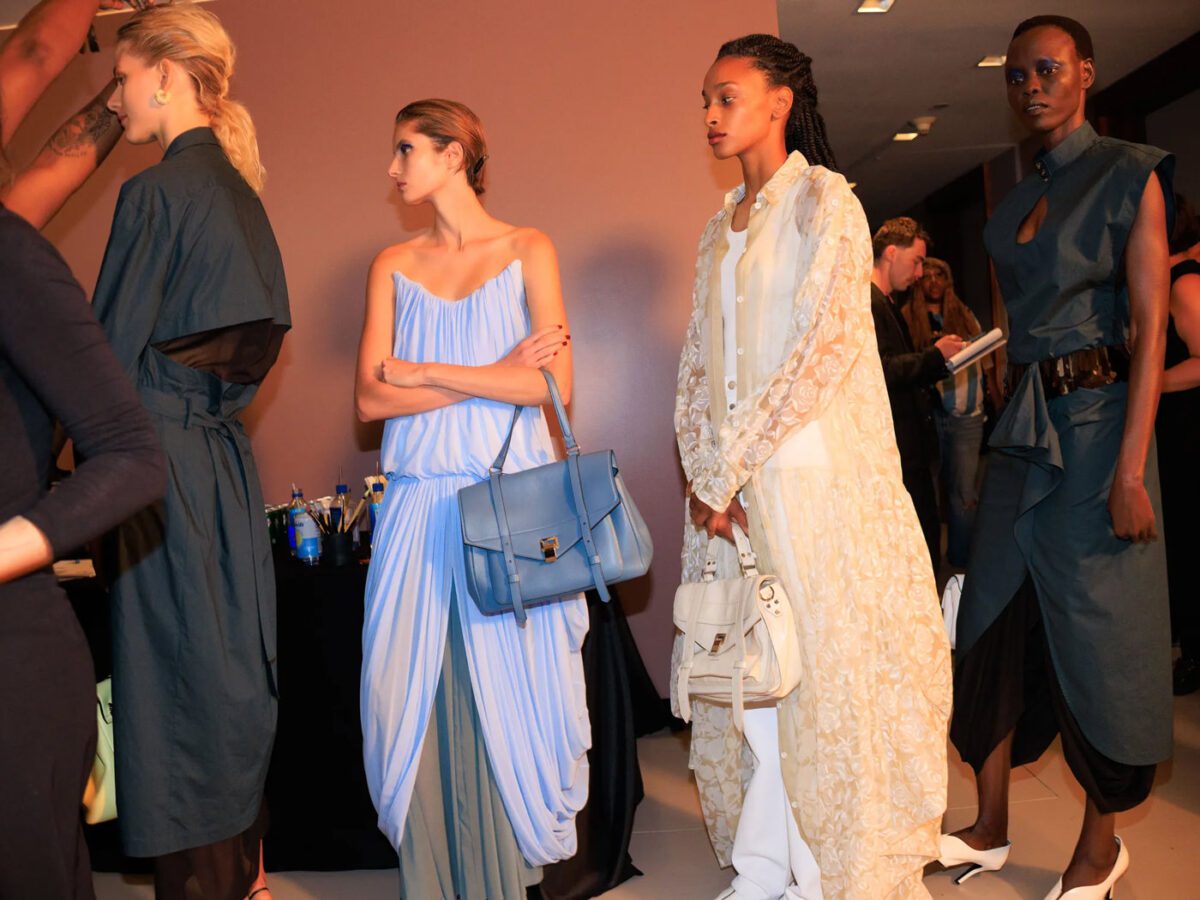
The Proenza Schouler PS1 Is Back for a New Era
The year was 2008. Barack Obama was elected president, Beyoncé and Jay-Z were newly married, [...]
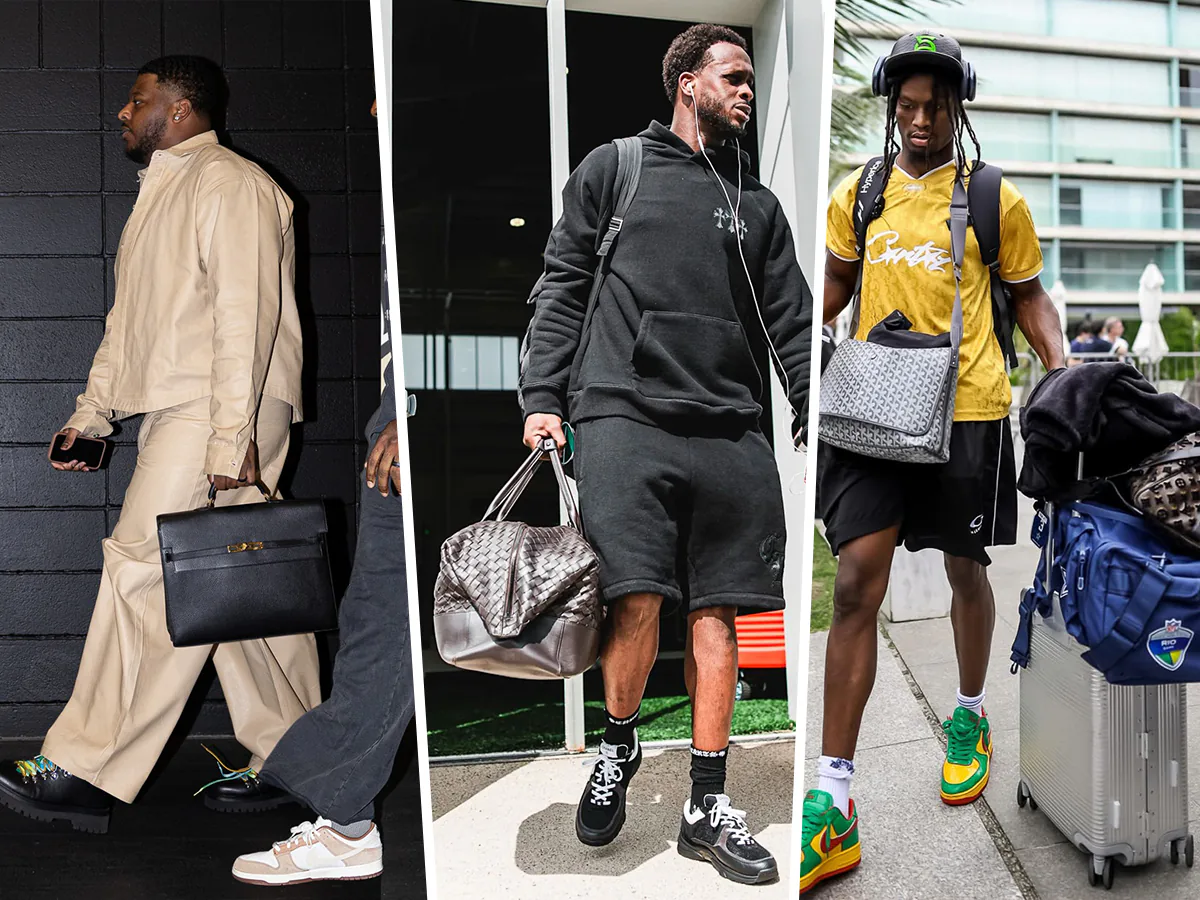
The Best Bags of the NFL: Week 3 of the 2026 Season
Real talk: I haven’t watched one NFL game this season yet. I have always preferred [...]