Have Archival Revivals Gone Too Far?
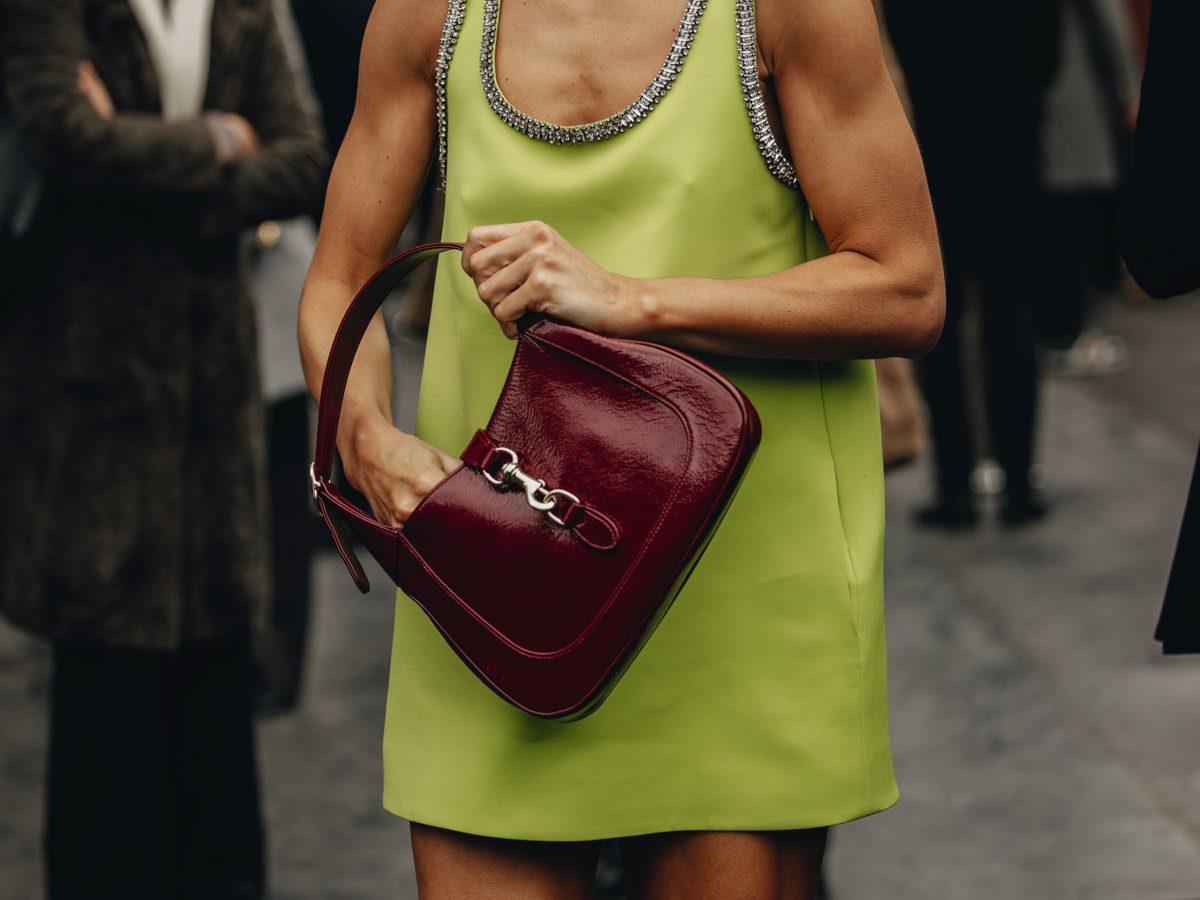
The Dior Saddle Bag, the Fendi Spy, the Gucci Jackie, the Chloé Paddington, the Celine Luggage—the list goes on. It’s no secret that archival revivals have been one of the biggest, if not the hottest, bag trends of the 2020s, and this movement can be tied back to the vintage fashion and ’90s trend boom.
The Return of the Archive
Given the surge in popularity of shopping the secondary market for vintage or pre-loved styles, designer brands (most of whom do not have a stake in resale) smartly reintroduced vintage styles to capitalize on the trend.
From both a consumer and a business standpoint, it makes sense: demand for particular styles from the past has increased dramatically, and because these styles are vintage, supply is low. By recreating these styles, brands are not only able to please trend-hungry consumers, but they’re also able to capitalize on demand they would otherwise miss due to a lack of control over the secondary market once a bag changes hands.
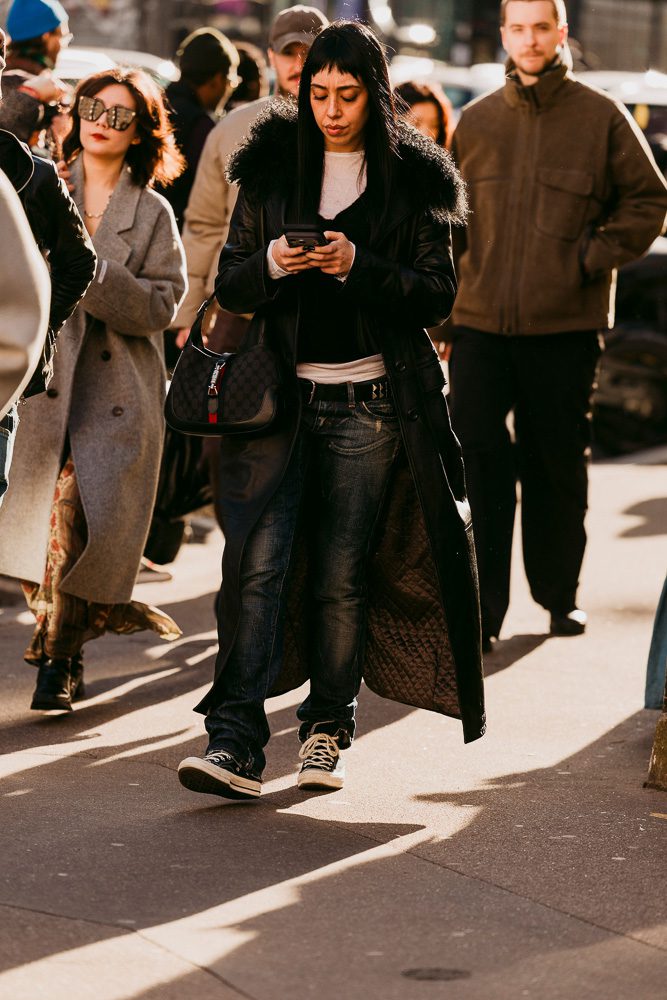
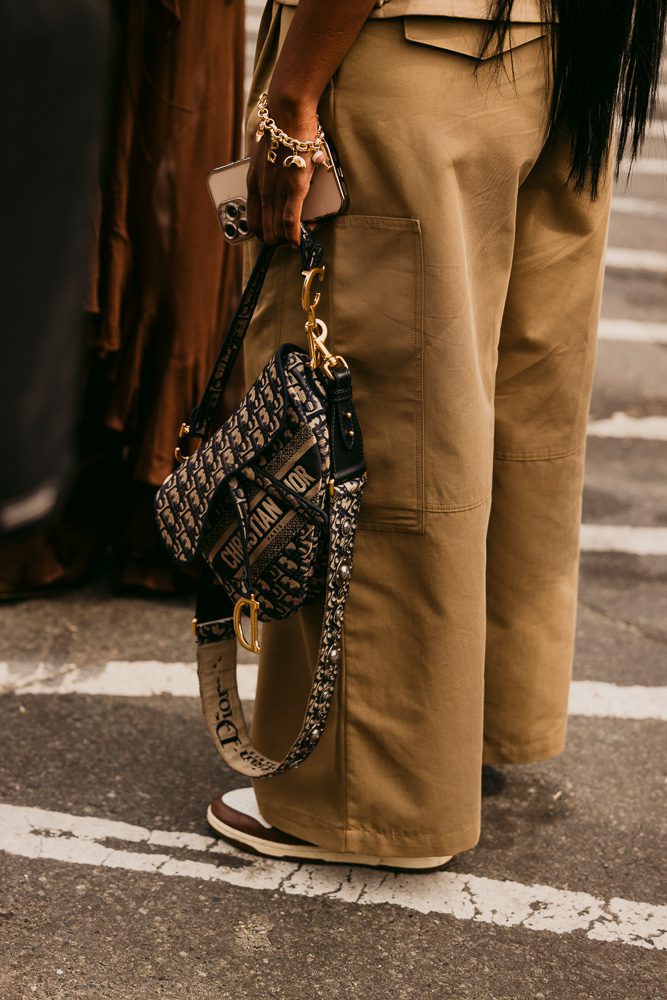
When Nostalgia Becomes the Norm
The trend shows no signs of slowing as more and more designers dig into their archives for inspiration, finding ways, both obvious and not-so-obvious, to tap into the nostalgia movement. But what does this mean for consumers who are craving newness and something never before seen? While there’s certainly a case for both sides and a place for both innovation and nostalgia in a handbag lover’s closet, gone are the days when most things felt fresh.
Has fashion exhausted its innovation?
Whether you like it or not, what’s old continues to become new again, and many of us are enjoying the revival of styles that came before our time.
Still, there’s something uniquely exciting about discovering a bag that feels entirely new. I’m intrigued to see what the future of the handbag world looks like when—and if—the focus on bringing back the old finally begins to fade.
Are you over the archival revival boom?
Related Post
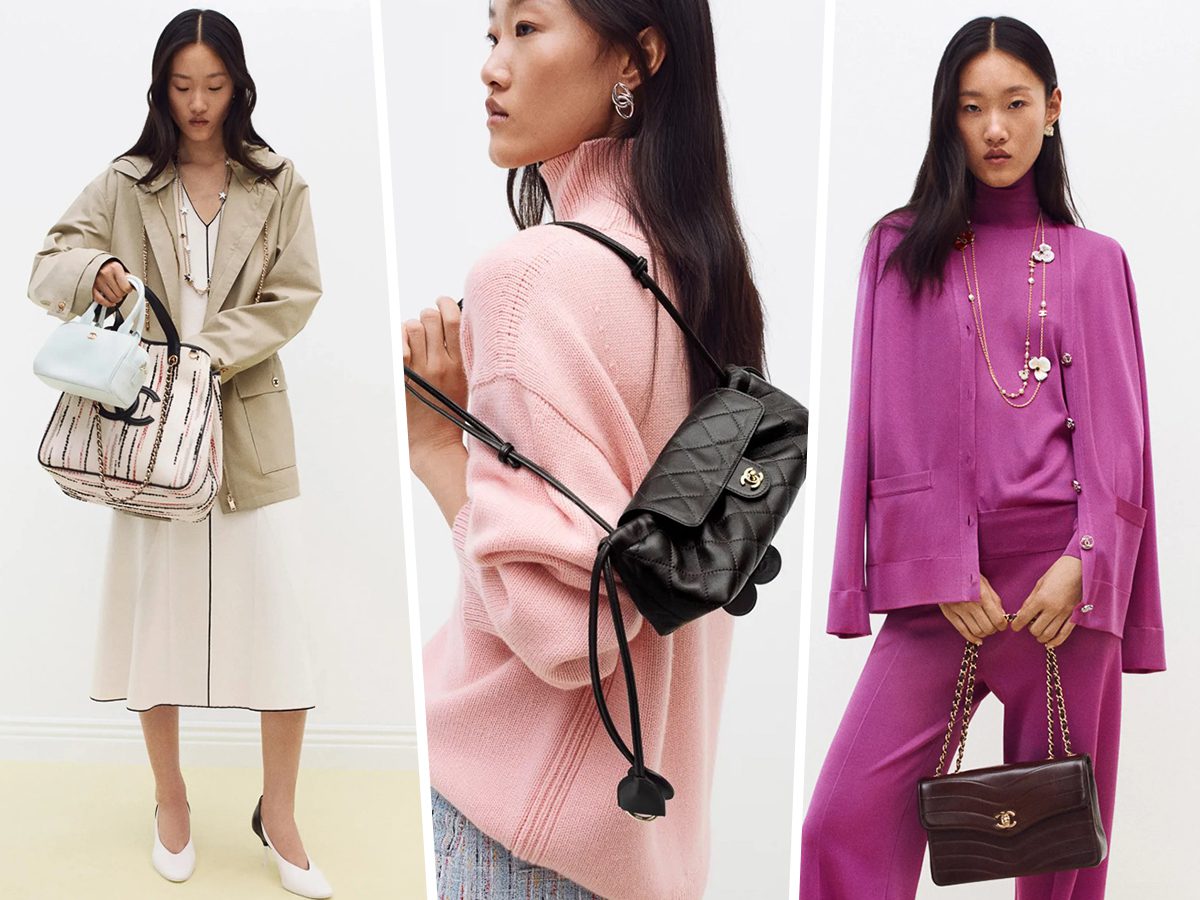
Chanel Pre-Collection Fall 2026 Just Dropped—These Are the New Bags to See
Matthieu Blazy continues to entice fashion lovers everywhere with his new vision for the House [...]
Does a Day Bag Have a Place in Haute Couture? Pierpaolo Piccioli Seems to Think So…
If you spent any time on the more unhinged side of fashion TikTok last fall, [...]

Are Smart Glasses the Latest It-Bags?
One fine morning in first grade, an eye doctor walked in on our reading class. [...]