Sometimes I’m Relieved When a Designer Leaves a Label
Goodbyes, dear reader, are never easy.
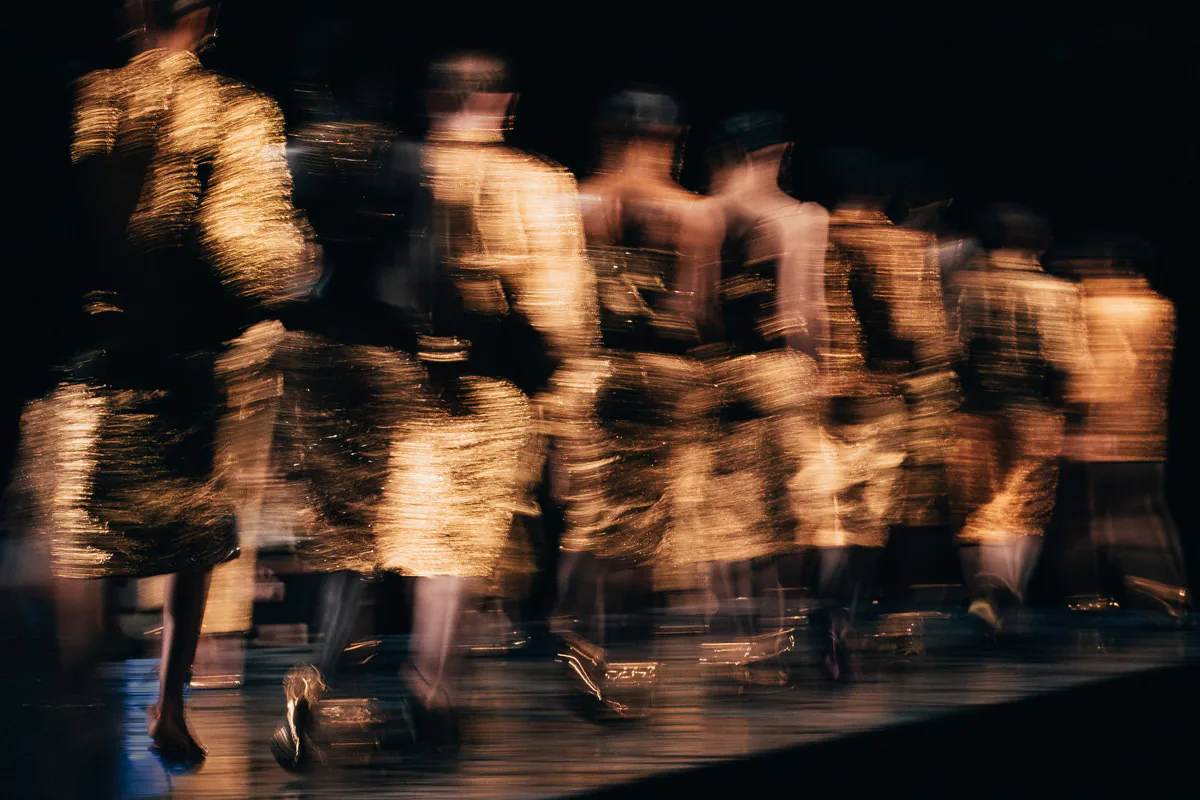
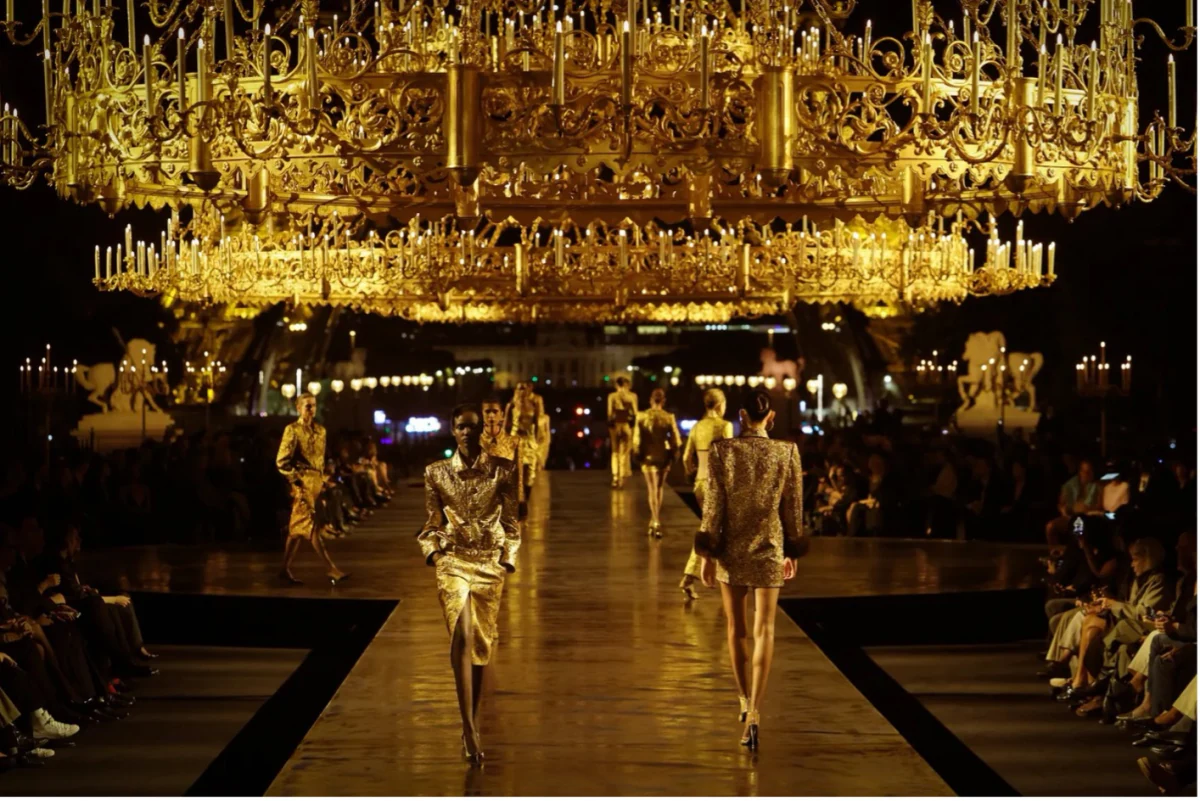
Anthony Vaccarello’s grand goodbye to maison Saint Laurent last month, for instance, was a gilded, gold-drenched affair at the gardens of Trocadéro, serenaded by a series of enormous radiant chandeliers evocative of the Hôtel Inter-Continental in Paris (where Monsieur Yves himself used to stage his couture shows), with the twinkling tinkles of la tour Eiffel in the backdrop.
Virginie Viard, on the other hand, bid au revoir to the fashion house of Chanel in a far less ceremonious fashion: with a damning declaration from Alain Wertheimer over a seemingly harmless luncheon, her belongings promptly boxed and dispatched to her doorstep the next day, and the Chanel Fall 2024 Haute Couture collection staged at the Palais Garnier three weeks later cruelly credited to the “Fashion Creation Studio” like she was never even there.
Goodbyes, in their inherently intimidating, yet bittersweet aftertaste, are also something I’ve been intimately encountering over the course of the past couple of weeks as I bade a final farewell to my father following his losing battle to an ailing heart. So that’s where I’ve been, in case you’re wondering.
Goodbyes can be sudden too, leaving you baffled and blindsided. “That’s all he got? Eight months?” lamented Vanessa Friedman when the Prada Group announced Dario Vitale’s departure from Versace after a single season, his budding world of dreams and possibilities nipped in the bud.
But what goodbyes are always sure to do, dear reader, is leave a whole lot of feelings in their wake. And today, it’s those feelings we talk about.
Vitale’s Versace and Other (Short) Stories
“I’m not happy,” posted Hanan Besovic of the Instagram following Vitale’s Versace goodbye, “because I wanted to see more.”
Naturally, the most obvious of feelings in the aftermath of a goodbye is sorrow. Sorrow, and shock. And shock is something fashion delivers in droves. “Compared to other product-based industries like cars or furniture,” observes Marco Pecorari, program director of the Master of Arts in Fashion Studies at Parsons Paris, “there’s almost this fashionability of change in fashion.”
And change is precisely what Vitale brought to Versace.
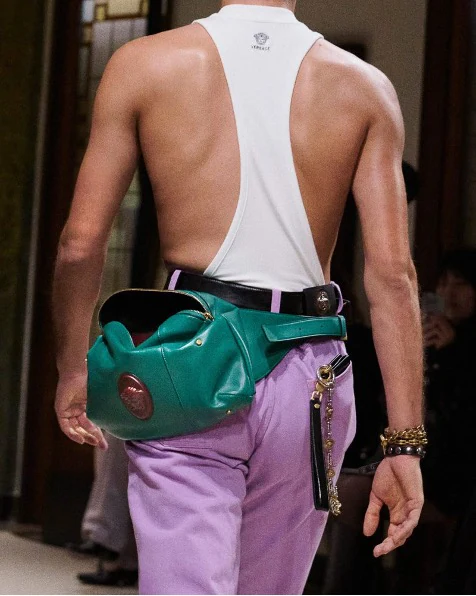
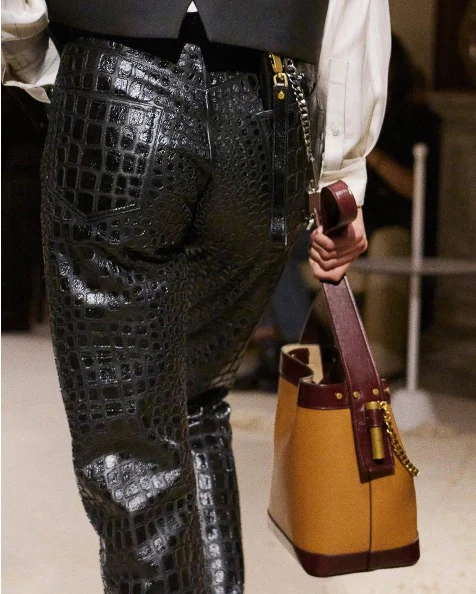
Where Donatella’s direction for her family label had, as Friedman reports, “seemed increasingly frozen in amber, locked into a rinse-and-repeat cycle of old goddess gown references and medusa head prints,” Vitale’s South Florida sentimentality of crotch-hugging pants, chainmail vests and shredded denim “was the first time I really understood the brand,” notes fashion commentator Nicky Campbell, “It felt progressive and desperately needed.”
Yet, change, as I’ve come to realize dear reader, isn’t always by choice.
And at Versace, Vitale’s destiny was doomed from the start – the show wasn’t even listed on the official Milan Fashion Week calendar! “He left the Prada Group, and then suddenly, he was part of the Prada Group again,” said Marigay McKee, former president of Saks Fifth Avenue, in reference to Versace’s acquisition by Prada, “That could be an awkward situation.”
Awkwardly undercut creative directions further bring to mind Walter Chiapponi of Blumarine and Ludovic de Saint Sernin of Ann Demeulemeester, whose infamously ill-fated tenures spanned four and six months respectively.
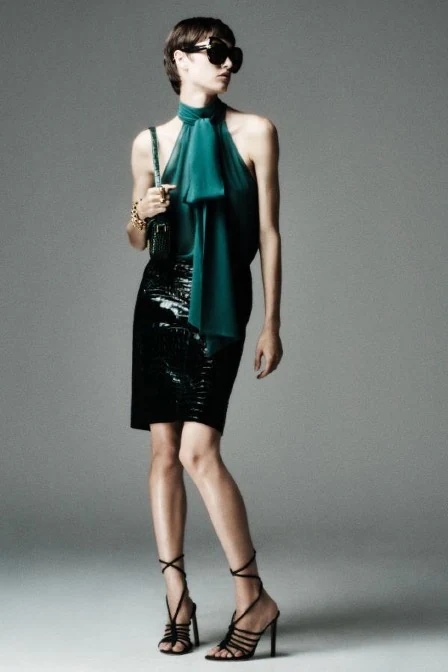
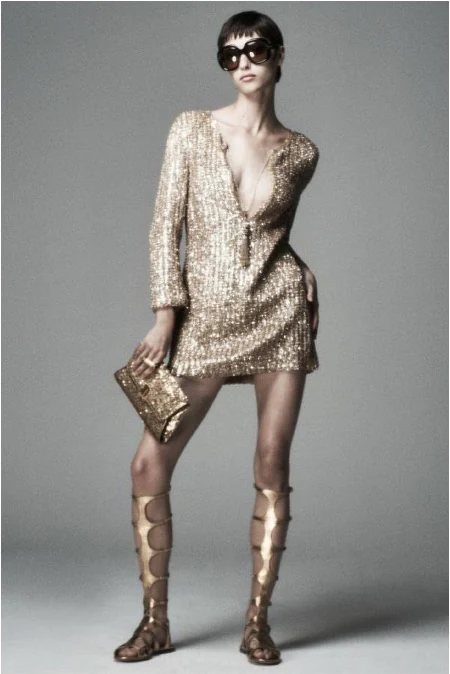
Peter Hawkings similarly, despite serving as the longtime right-hand man to Tom Ford himself, barely made it 15 months as the brand’s artistic masthead.
But the most tragic tale of fashion’s right-hand men lies elsewhere.
Lagerfeld’s Right Hand (and Left)
Times are bad. Children no longer obey their parents, and everyone is writing a book.
Marcus Tullius Cicero, 106BC – 43 BC
The latest entry in this series of books is Un Regard: Une Vie chez Chanel (“A Look: A Life at Chanel”) released strategically in time for the Spring 2027 season of Paris Fashion Week, and authored by none other than Karl Lagerfeld’s “right and left hand” Virginie Viard, formerly the Artistic Director of Fashion Collections at the house of Chanel.
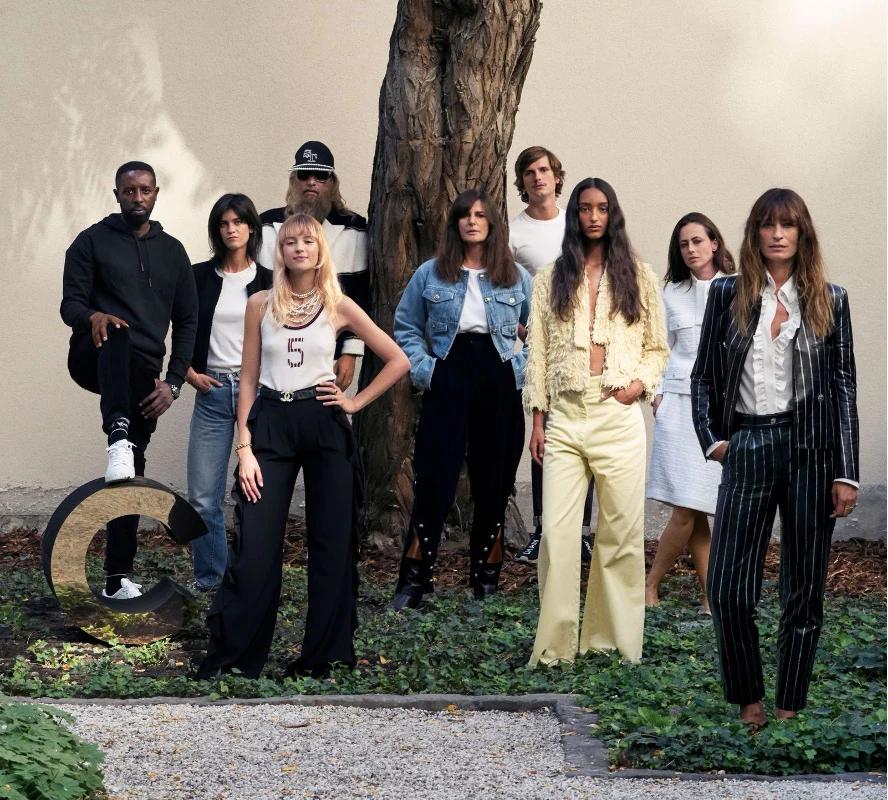
You see, when Viard’s departure was announced on June 5, 2024 – following a damningly disastrous cruise collection in Marseilles where models in matron dresses, Bermuda shorts, and ombré jorts walked in the rain atop the rooftops of the Cité Radieuse – the general feeling was far from grief.
Instead, it was an overwhelming sense of relief – euphoria, even.
Finally, Chanel was free from Viard’s vanities. Finally, Margot Robbie’s stylist could put her in something other than unflatteringly tiered tulle skirts. “The real succession to Karl Lagerfeld begins today,” wrote Hélène Guillaume, editor-in-chief of Le Figaro. “Not your grandmother’s Chanel,” ran The New York Times headline of Mathieu Blazy’s debut collection.
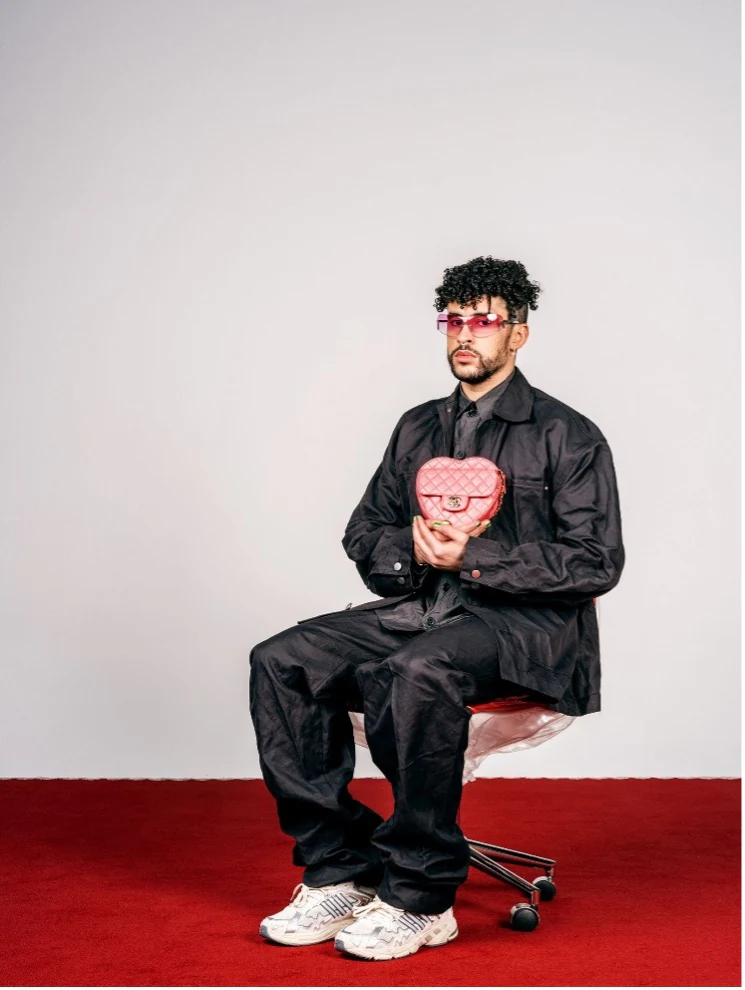
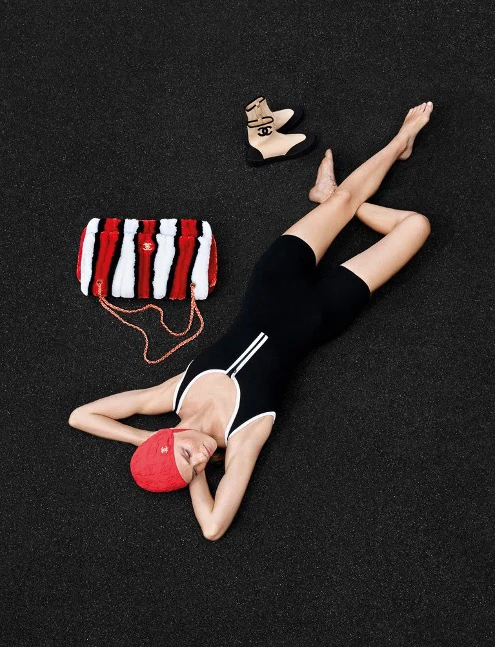
Business of Fashion proceeded to classify Chanel into three main acts: “The first act was her (Gabrielle Chanel’s) own, the second was Karl Lagerfeld’s,” before declaring, “Bruno Pavlovsky, Chanel’s president of fashion, called ‘an intermission’ under Lagerfeld’s right hand and successor, Virginie Viard. Now, said Pavlovsky, it was time for Act Three with Blazy.”
And Viard’s book inhabits that intermission: “I’m rereading it. The intermission. The moment when the audience gets up, goes to the restroom, orders drinks, and chats in the hallway. The moment when nothing really happens. The lull between two important events.”
For a designer who dedicated her entire life to Lagerfeld’s legacy (Viard joined Chanel as an intern in 1987), Wertheimer’s words were no less than a doctor’s pronouncement: “I understand the words. I don’t understand what they mean,” she recounts bitterly, “Why now? Why this way? My voice catches somewhere between my throat and my heart. There is no discussion to be had. No explanation. Just this sudden announcement – and my stunned silence.”
A Gilded Goodbye
Notwithstanding the cardinal sin of bad skirtsuits, Viard’s departure isn’t the only one in recent memory that incited mass relief among fashion folks.
Over the last month, for instance, Seán McGirr and Pierpaolo Piccioli parted ways with Alexander McQueen and Balenciaga respectively – both widely regarded as a match definitely not made in heaven. Philophiles similarly rejoiced Hedi Slimane’s separation from Celine in 2024, while Maria Grazia’s gradual graduation from Dior in 2025 proved just as controversial.
But perhaps few fashion houses have had a history of departures as disputed as Saint Laurent.
Monsieur Yves himself, for one, did little to hide his disappointment towards Tom Ford, Gucci Group’s successor as the head creative following its acquisition of YSL: “Finally, Ford is leaving. I have suffered for what he did with my name. Thankfully, the damage is not irreversible.”
Following Ford’s footsteps, Stefano Pilati pirouetted away in 2012 amid icy corporate frictions, while Slimane scandalized us with an indie-sleaze rebrand to Saint Laurent Paris – leaving Monsieur Yves to all but roll in his grave.
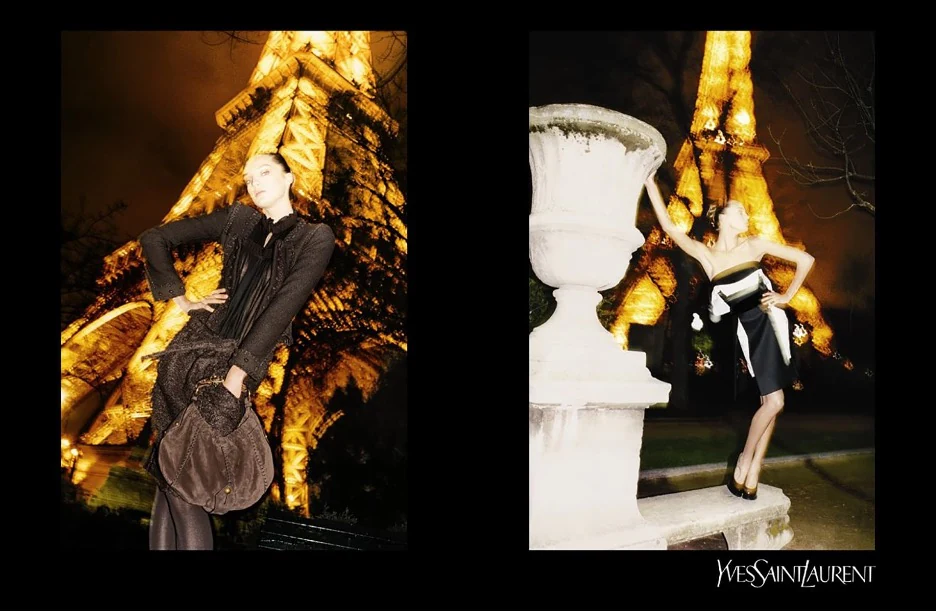
Finally, what followed a decade later was Anthony Vaccarello’s 24-karat unofficial goodbye, golden not just in its set design and chandeliers, but also in the lineup itself.
Friedman reported: “Gold bomber jackets and pencil skirts. Gold trench coats of varnished silicon. Gold safari jackets. Gold treated to look like crunched-up metal and gold treated to look like crocodile. Gold with a long mousseline scarf tied around the neck and trailing behind. Gold lace cocktail dresses and gold tank tops trimmed in bullion. Cropped gold brocade tops finished in fur at the cuffs and cropped gold brocade trousers.”
After all, Monsieur Saint Laurent himself had called gold “today’s black”. Fittingly, therefore, the collection concluded with black: “10 black velvet suits and gowns made from swaths of black organza, like gathering storm clouds,” yet, Friedman confesses, “something of a relief.” “It looked,” wrote Vanity Fair, “like the most glamorous of funeral marches.”
Surprisingly, this same sense of relief is what Viard feels too. With Blazy at the helm of Chanel, “It will be something completely different: a fresh perspective, a different hand, an approach that is neither mine nor Karl’s. Not a continuation, but a clean break – and clean breaks at least have the merit of clarity,” she said.
“Chanel will be different with him, and that sets me free.”
Perhaps goodbyes were never meant to be easy.
But closure, at least, is ours to find.
Related Post

Confessions of a Repeat Bag Buyer: Why We Keep Buying the Same Silhouette
Let’s play a game. Think about your bag collection and answer honestly: do you own [...]
Does a Day Bag Have a Place in Haute Couture? Pierpaolo Piccioli Seems to Think So…
If you spent any time on the more unhinged side of fashion TikTok last fall, [...]
Are Belt Bags Still a Trend, or Have They Become a Staple?
In the mid-2010s, we began to see a sudden surge in the availability of backpacks. [...]