What Now of Proenza Schouler?
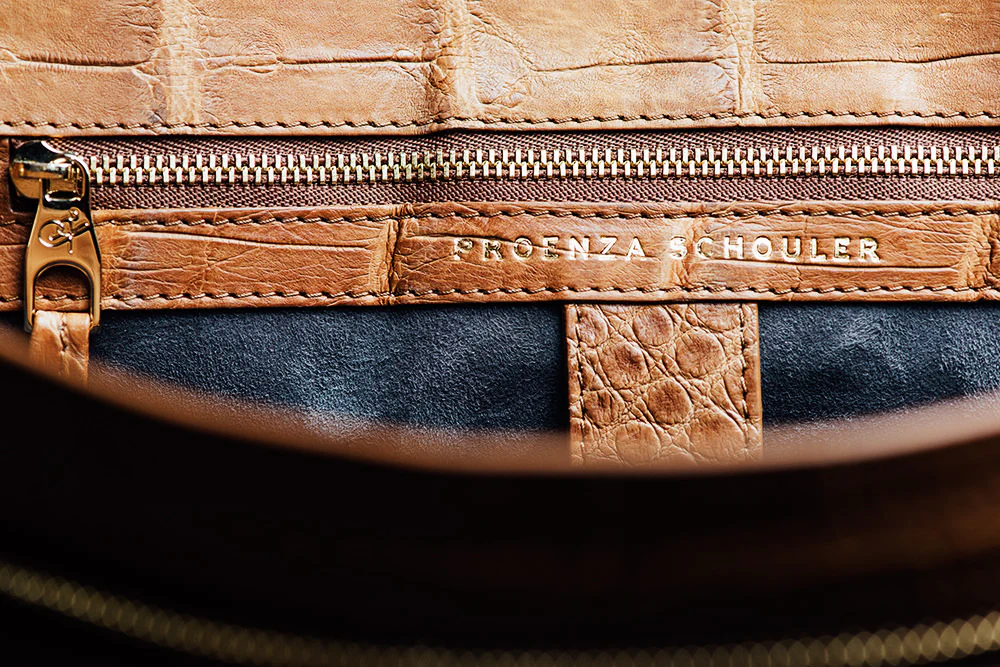
I first came across Proenza Schouler right here on PurseBlog.
And even as a fledgling twenty-something treading the fashion tides on his tippy-toes from the less fashion-forward parts of the planet, something about its story stuck with me. At the time, I didn’t quite know what it was.
So, it was with this inexplicably compelling sense of awe and appreciation that I continued doing the only thing I could – consume! And in copious quantities, at that. Voraciously, dear reader, I consumed Megs’ story of scoring that crocodile PS1 for a steal on the Outnet – really, the snag of the century.
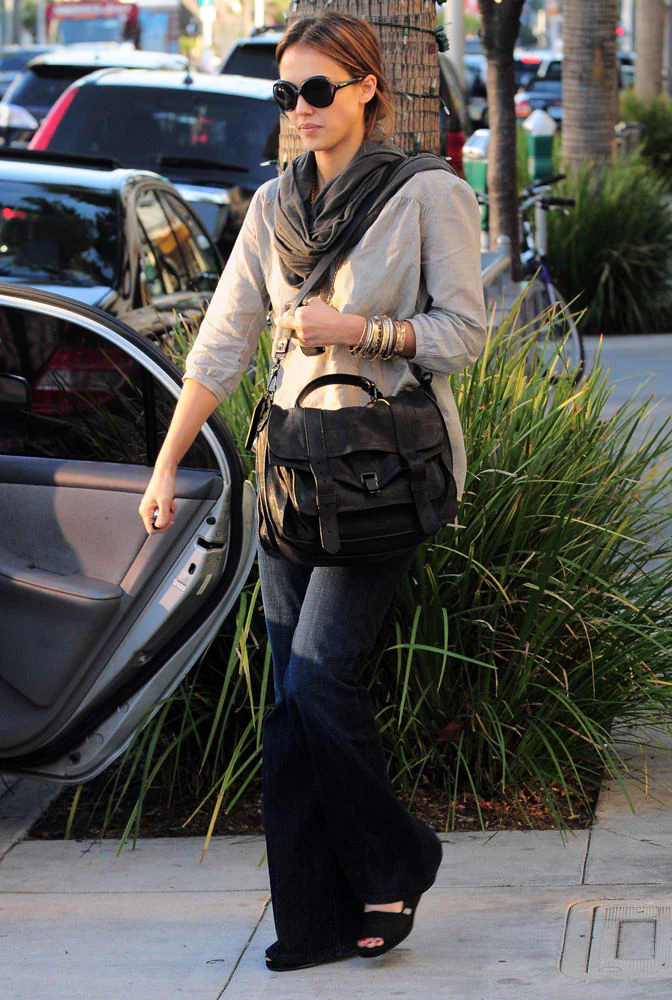
Starvingly, I salivated over the PS1s Chloë Sevigny and the Olsen twins traipsed around town with, obsessively saving paparazzi snaps from every possible angle. And compulsively, I scrolled eBay, beseeching the powers that be to bestow a bargain within my barest budget.
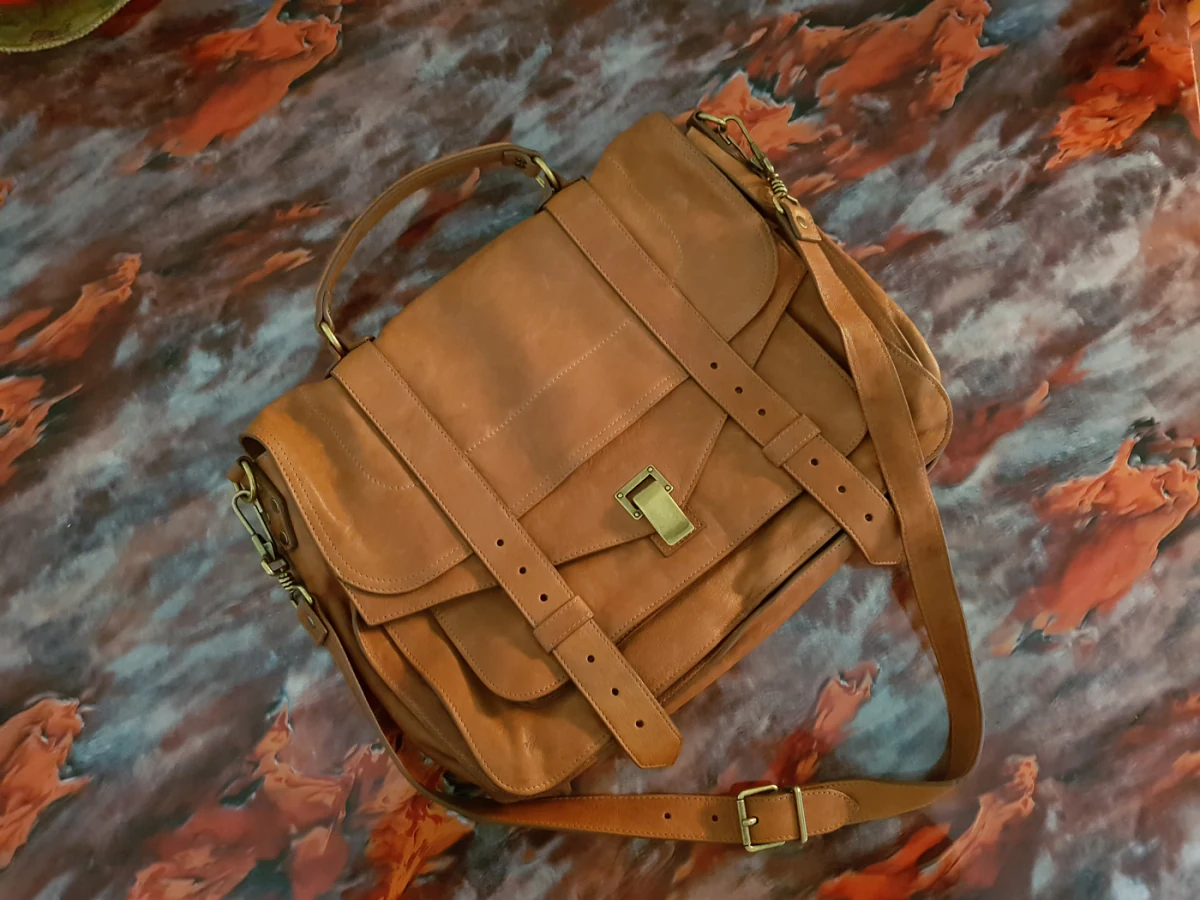
And then, in what was nothing short of a fairy-tale moment of my own, my prayers were answered, not by a resale steal, but by a kindred member of the Purseforum, who generously passed their Saddle PS1 on to me. Here was a slice of that downtown New York cool, the same one soldered to the shoulders of Mary-Kate and Rihanna, in my very arms some eight thousand miles away!


Five years down the line, my PS1 has been a constant companion, across classes and commutes, core memories and crushing calamities, cross-country trips and cross-continent travels, collecting chronicles and curiosities like a lamb leather retelling of the tale of the traveling pants.
And it is only now I’ve realized that what stuck with me about Proenza Schouler was the fairy tale in its very foundation. It’s the fantasy every fledgling fashion freshman – no matter how far – fantasizes of. And this, in turn, imbues its bags with a fragment of that same magic.
The House That Jack (and Lazaro) Built
Proenza Schouler’s story starts, as with most fashion fantasies, roughly 40,000 feet up in the air. And like every fairy tale needs its fairy godmother, theirs was Anna Wintour. Legend has it that co-founder Lazaro Hernandez, inspired and impassioned by the magazines at his mother’s beauty salon while growing up in Miami’s Cuban quarters, upon spotting his idol aboard a 2000 flight to New York (but too timid to actually go up and talk to her), scribbled a note on a napkin and passed it on to the Vogue editrix via a stewardess.
Wintour, characteristically, was wintry and withdrawn. Two weeks later, Michael Kors came calling with an internship at Wintour’s recommendation.
Jack McCollough, Proenza’s other founder and Hernandez’s significant other, on the other hand, was a glass-blower in-training from Tokyo, later interning at Marc Jacobs. Eventually, their paths crossed at Parsons (“When I first met Jack, he was doing all this crazy Japanese-y thing that was very costume-y,” Hernandez tells New York Magazine, “I was very ready-to-wear, and so to me it was really fascinating. He brought this level of imagination to things.”)
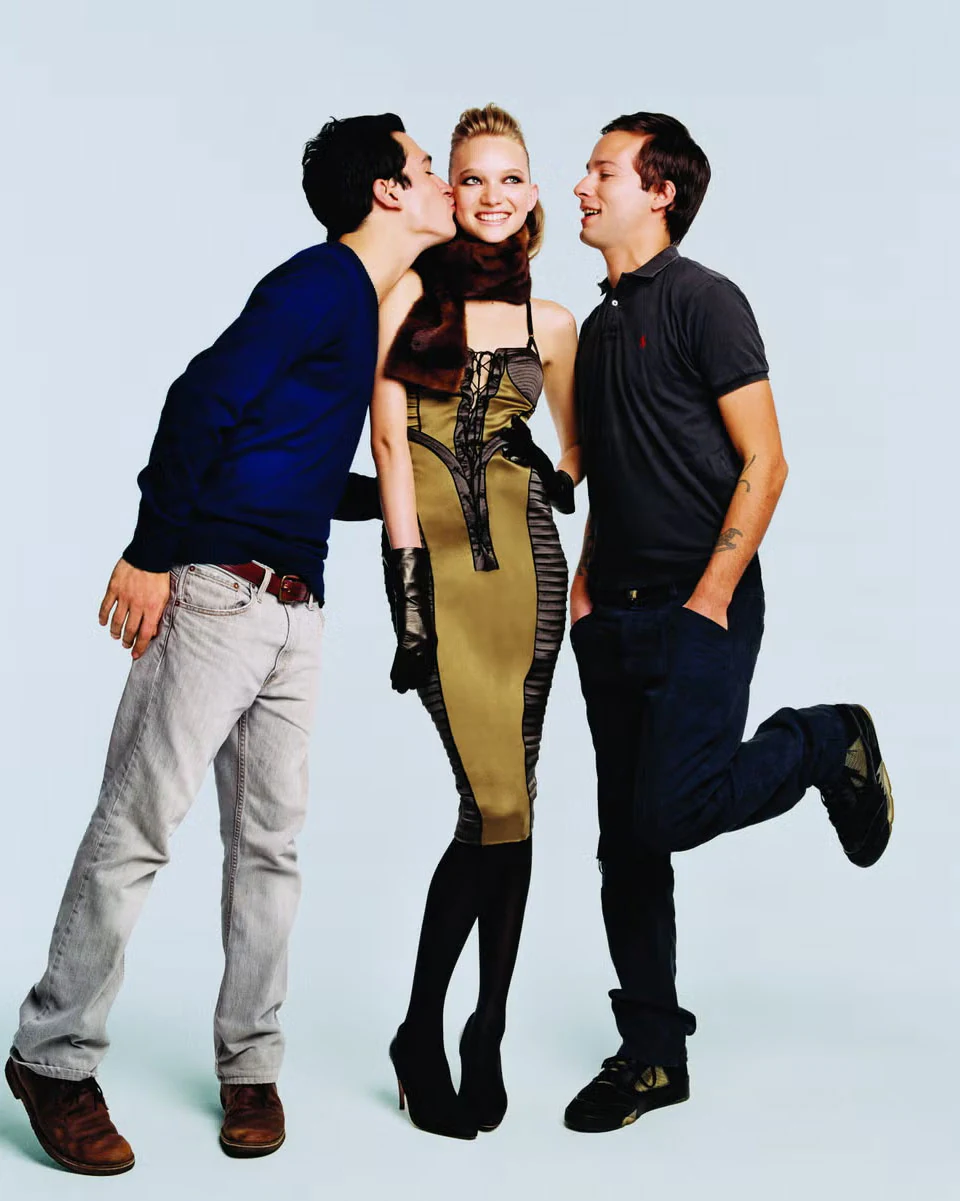
The duo’s 2002 graduate collection was lapped up by Julie Gilhart, then Barneys’s fashion director and a stalwart fashion scout; their New York Fashion Week debut in 2003 a hit among the era’s heiresses and socialites. The pair settled on Proenza Schouler, a hybrid of their mothers’ maiden names (Hernandez McCollough doesn’t quite have the same ring to it). “One of our biggest regrets is the name of our company,” McCollough laments. “There are so many letters. Even coming up with a font was a mission.”
2004 saw their first shoe collection, securing them in the process the $200,000 CFDA/Vogue Fashion Fund prize for Promising Up and Coming Designers. And by 2008, the PS1 had taken over (“right before the crash – thank God,” Lazaro confesses, while Jack goes onto add, “It was our least commercial collection ever, and that bag saved everything.”)
And then they all lived happily ever after.

The Final Frontier of New York Fashion Week
Well, not quite.
Because what fairy tale is complete without a mean conglomerate ogre, right? And in the case of our New York wunderkinds, the corporates came poaching soon after the PS1’s success.
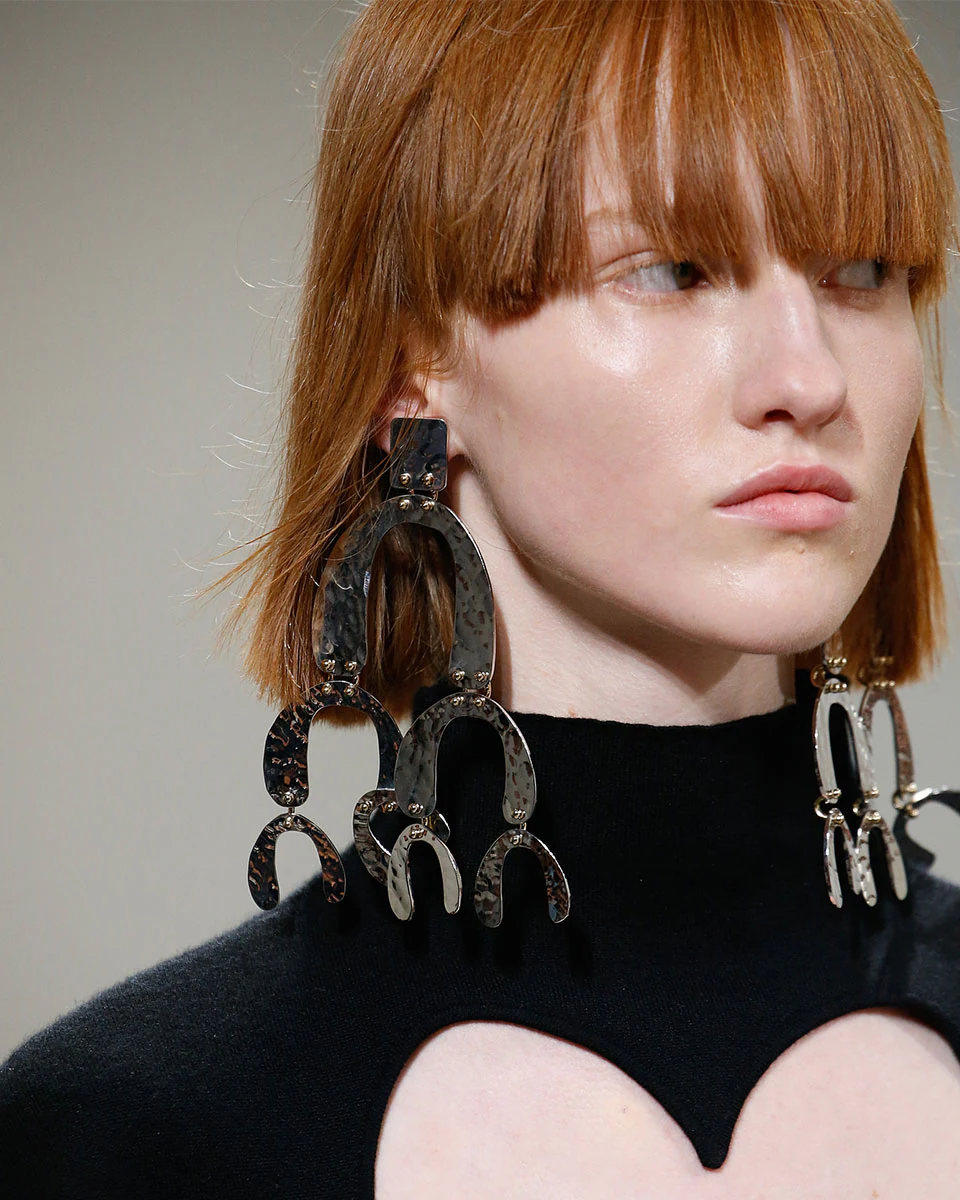
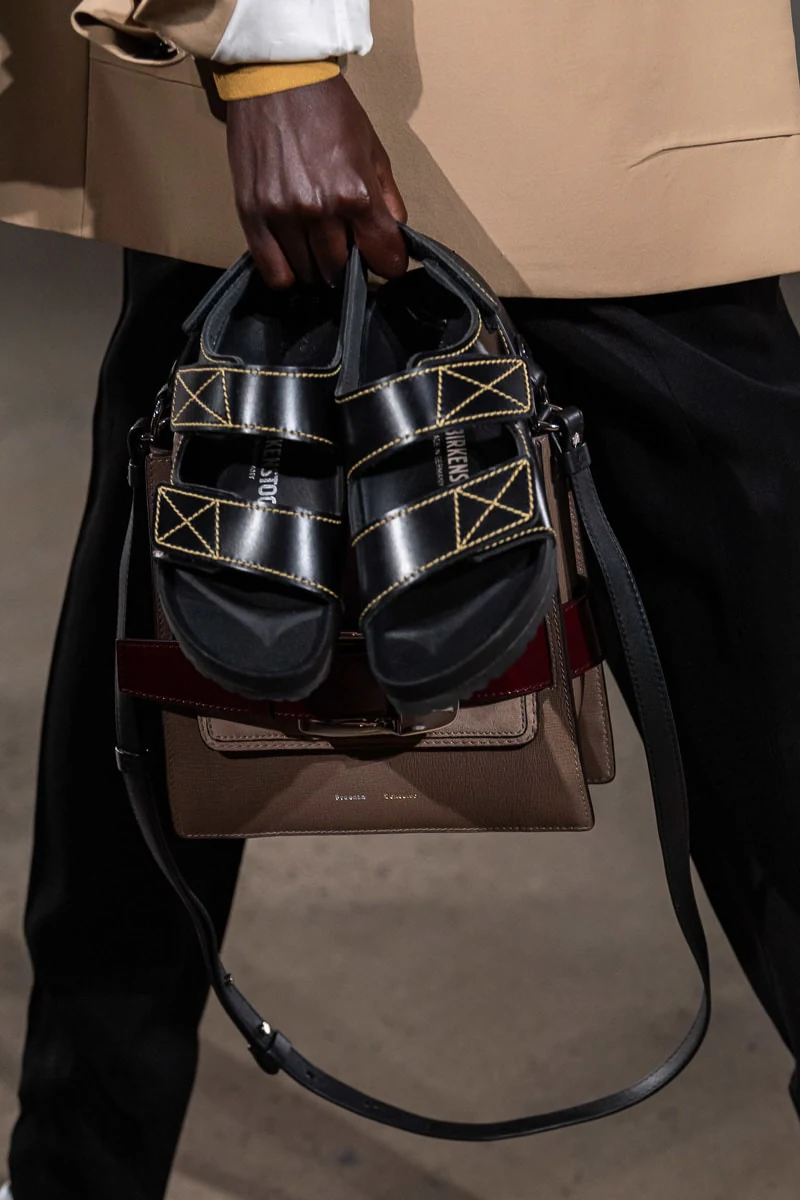
After all, Proenza was the ultimate dream-come-true for any designer. And the PS1, that glamorous Lara Croft Tomb Raider satchel, was different from anything anybody had seen at the time. “Proenza Schouler, as a brand, was the buzziest thing in town. Nobody was cooler than Jack and Lazaro,” says Alyssa Vingan of The New Garde. “All I ever wanted was to get a Proenza Schouler ticket. It felt that anyone cool was rallying around them.”
But Jack and Lazaro held out.
“What’s most important to us right now,” explained McCollough in 2015, “is Proenza Schouler, and if we were gone 50 percent of the year working for someone else’s company, I think it would suffer at this point.”
Yet, even they weren’t immune to the maladies that have riddled American designers for ages. “European houses,” the couple told WWD, “are owned by multibillion-dollar conglomerates. Designers seem to be free to focus on the creative side of things, whereas in the U.S., most designers own their own brands and are focused on building them independently without the synergies or financial capabilities of their European counterparts.”
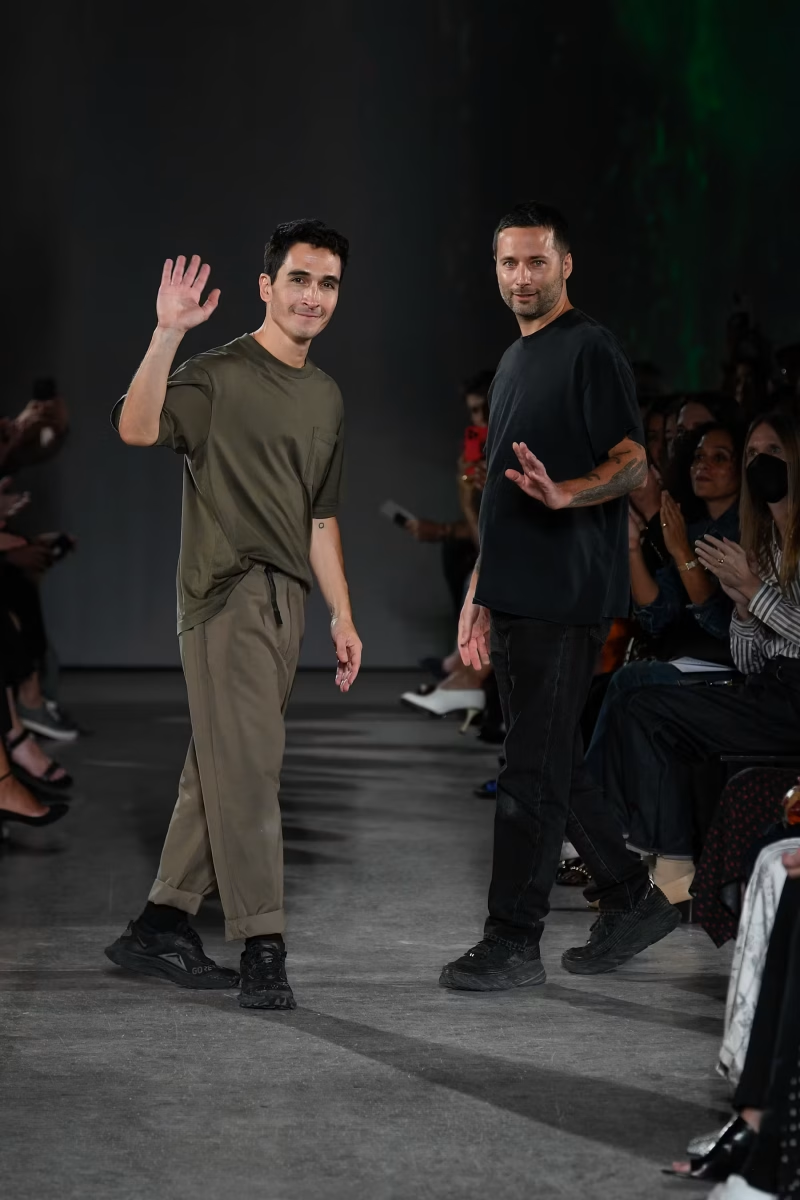
“Especially here in New York,” Lazaro lamented in 2016, “this season feels pretty weird – no Calvin, no Donna Karan shows. I feel like our generation is the establishment now.” In 2017, Proenza even exited the ready-to-wear calendar to align with couture week, briefly presenting their collections in Paris before returning to New York for Spring/Summer 2019.
In the end, “they just never got the traction everyone in the industry expected of them,” said Hildun CEO Gary Wassner. “So change is good.”
And change came in January last year.
“Proenza Schouler has always been a deeply autobiographical story, one that has evolved, developed, and grown up alongside us, a reflection of our lives over the last two decades,” read the founders’ statement. “We hope that in some small way, this journey has left a tiny, indelible mark on NY fashion.”
And just like that, the Proenza boys were off to LVMH.
And the Wheels Keep Turning
Now, the change at Proenza comes as part of a wider pattern where a frantic churning of the fashion cycle has seen creative directorships change industrywide, including at some of the biggest names like Chanel, Celine, Bottega Veneta, Versace, Givenchy, Lanvin, Loewe and Valentino.
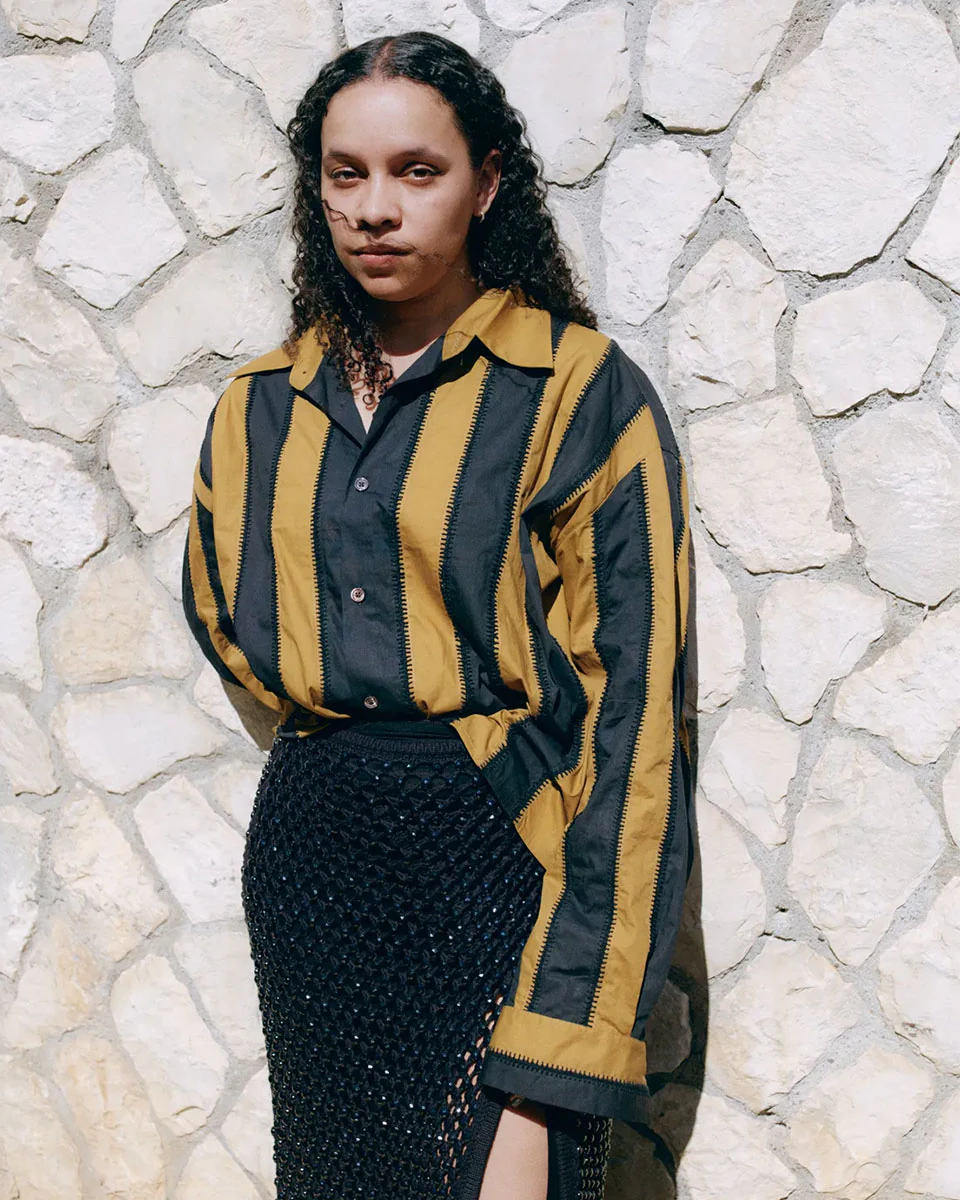
More worryingly, however, McCollough and Hernandez’s departure felt reflective of a prominent exodus of eminent American designers, with Phillip Lim stepping down from his namesake in 2024, Ralph Lauren, at 85, ready to hand over his reins, Michael Kors willing, yet unable to retire following the FTC’s bar on the Tapestry Inc. acquisition of Capri Holdings, Tom Ford walking away from his eponymous label following a $2.8 billion sale to Estée Lauder, and finally, Veronica Leoni leaving Calvin Klein earlier this month.
Historically too, American fashion houses have struggled under successionary pressures. “There is no real history in the United States of fashion brands outliving their founders,” writes Vanessa Friedman. “That kind of preservation is not part of the myth of the country the way it is in Europe.”
Leoni’s appointment, for instance, was an awkward attempt to find Klein’s footing since Raf Simons’s departure in 2018. Kate Spade, in the aftermath of its founder’s unfortunate passing, has yet to replicate its ’90s heyday. Halston is yet another story of unsuccessful successors – too many to count.
So, with the Proenza boys parting, it felt like the very last bastion of New York fashion had fallen. “Everyone assumed that would be it,” Friedman concludes.
Yet, the lights stayed on.
Within five months of the farewell, Shira Suveyke Snyder, the brand’s new chief executive, appointed one Miss Rachel Scott, the CFDA’s winner of the Emerging Designer of the Year in 2023 and Designer of the Year in 2024 and founder of Diotima, as the heir to the house the boys left behind.
And in February, Scott unveiled her vision.
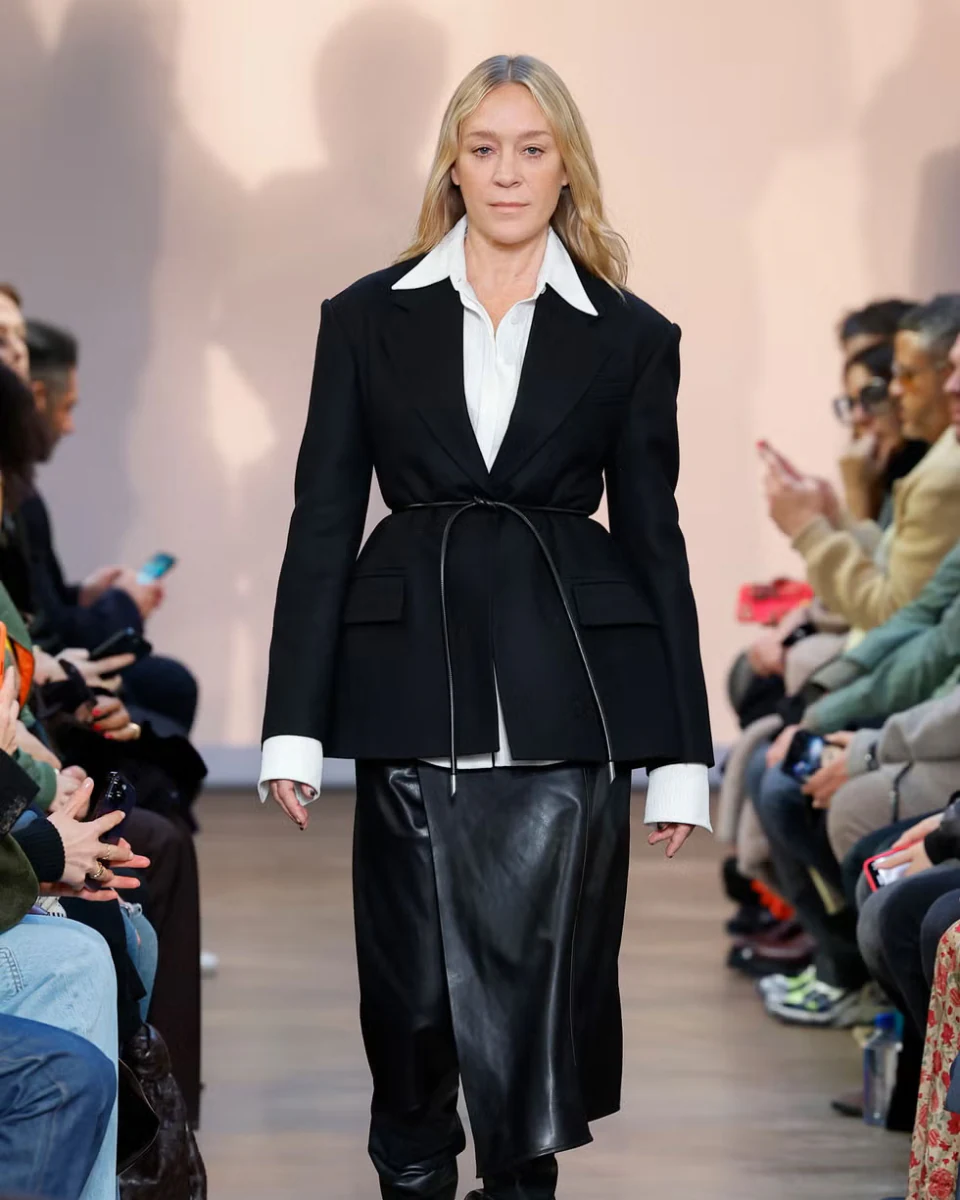
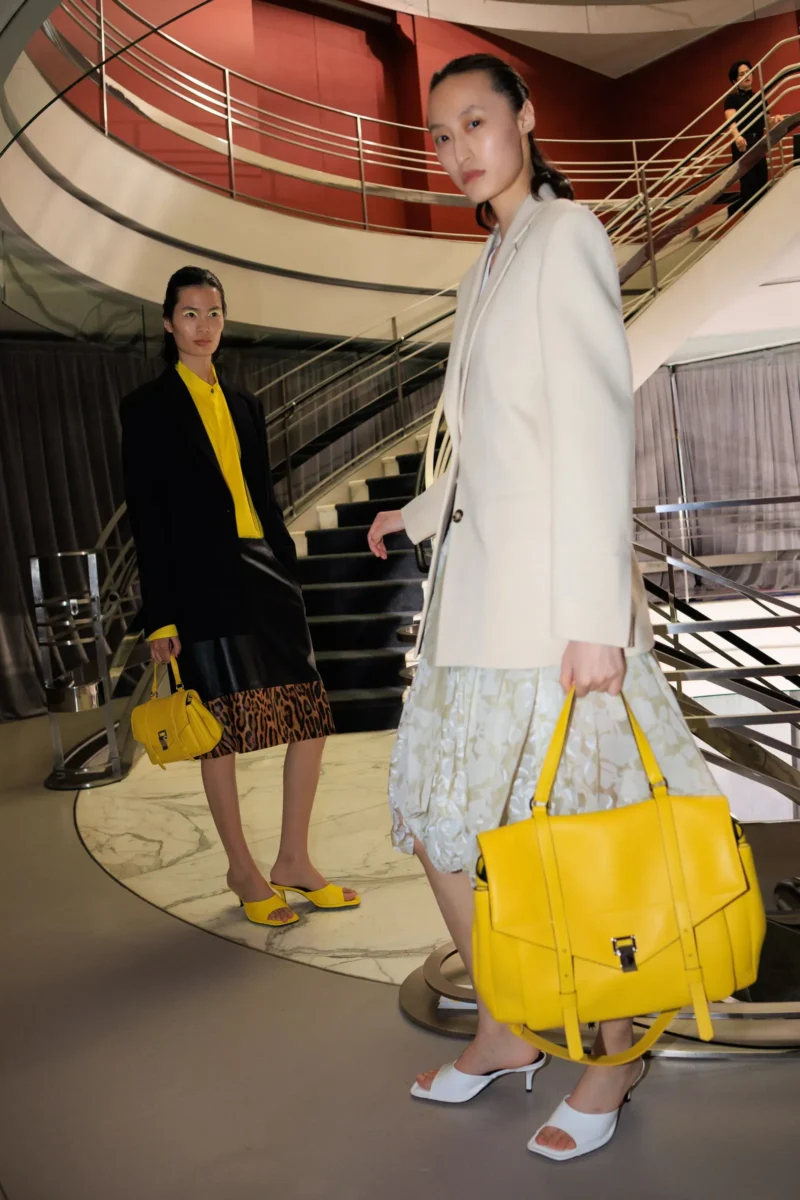
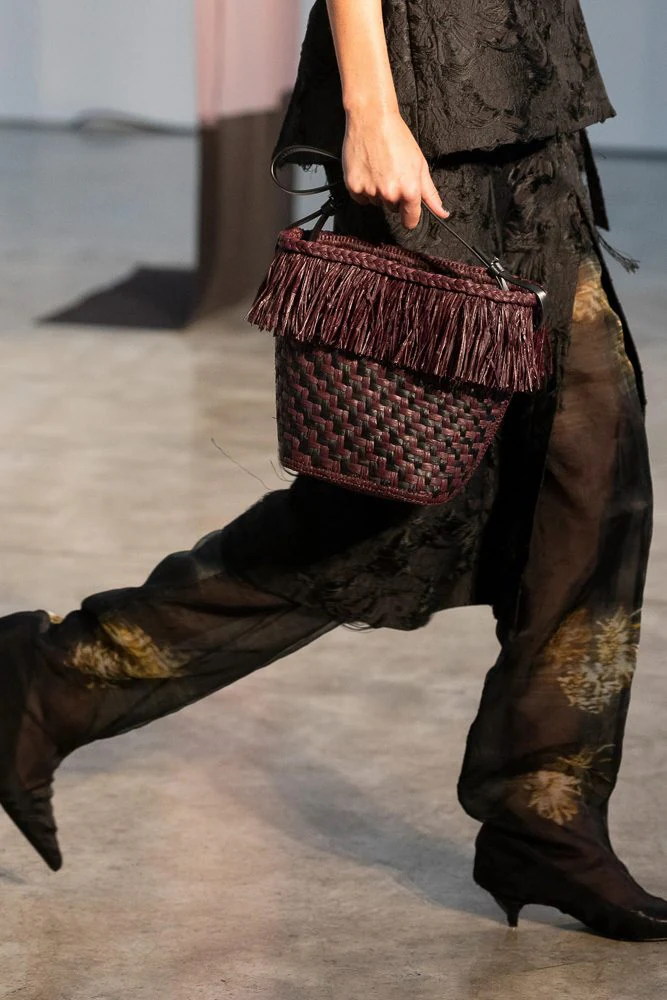
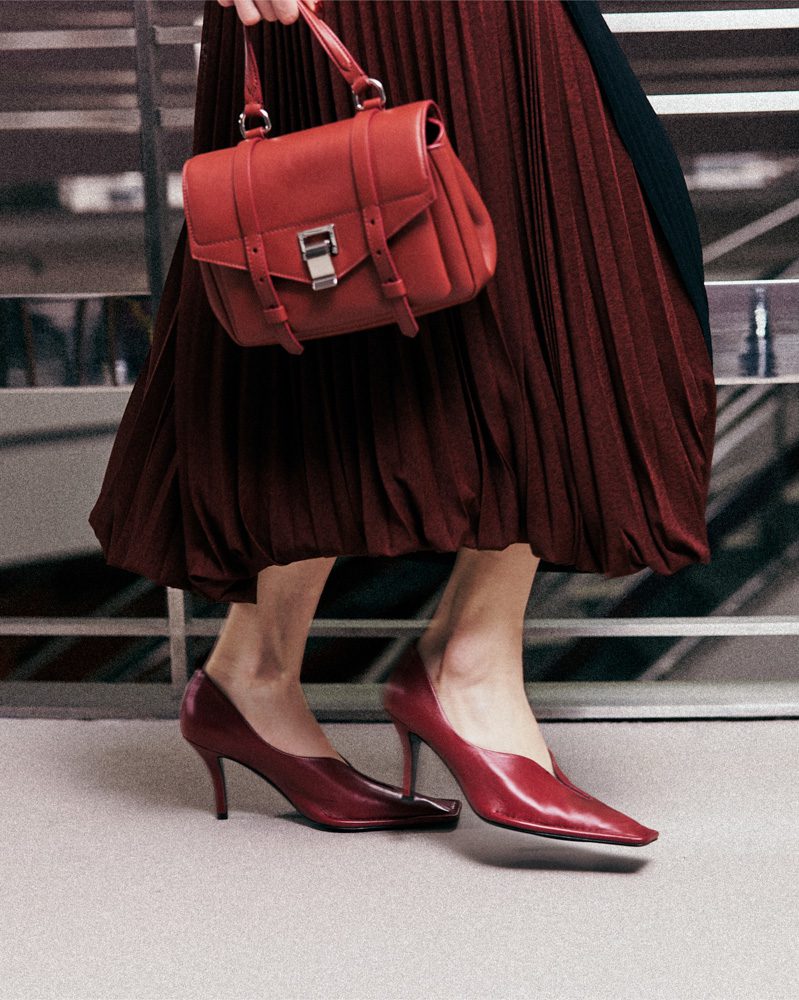
“A genuinely tantalizing glimpse of what a new Proenza could be,” Friedman wrote optimistically. And if Scott’s “neat little sling-back heels with a bouncy, curling leather fringe down the sides” weren’t what tantalized you, her Spring 2027 revival of the PS1, now rechristened the PS1 Walker and released in buttery canary yellows and jewel tones of wine and turquoise, sure would.
“I’m here for the future of the brand,” the Jamaican-American creative confided to Coveteur.
Perhaps the Great American Dream, dear reader, wasn’t dead after all. If anything, it has always been an outsider’s sport. My own PS1, some eight thousand miles away from home by way of a stranger on the Purseforum, can attest to it. And those fairy-tale glass slippers? They too are alive and well. Only now, they come with fringes.
Related Post
Fall is Officially Here and Here Are 12 More Things I Can’t Stop Thinking About
Fall is officially here, and if you read my last fall wish list, you already [...]

Currently Coveting: Everything Saint Laurent for Summer
Saint Laurent’s current trajectory can be traced back to Hedi Slimane’s arrival at the House [...]

Housewives and Hollywood Icons Wow With Bold Birkins and More in This Week’s Celeb Bag Roundup
For many of us, including me, July feels like the shortest month of the year—though [...]