I Still Think About Bottega Veneta Spring/Summer 2023
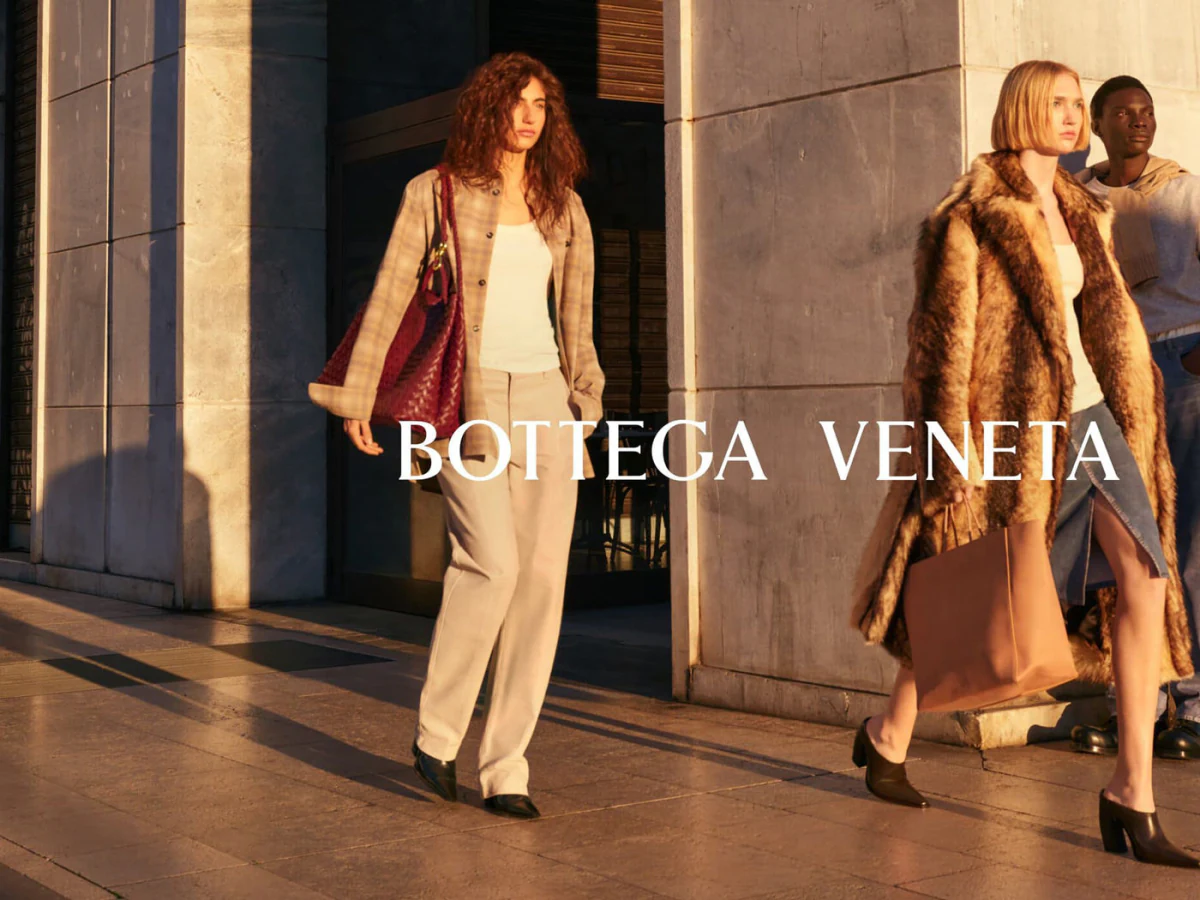
As someone who’d been considering covering a retrospective on Matthieu Blazy’s Spring/Summer 2023 presentation for Bottega Veneta for months now – if for nothing else, then THAT perfect pair of stonewashed, trompe-l’œil leather jeans – imagine my surprise when the Metropolitan Museum of Art, after months of squabble and skirmish, finally reached an agreement on the theme for its Spring 2027 Costume Institute exhibit and Met Gala yesterday.
And it’s titled “extraORDINARY: Fashion and the Poetics of the Everyday.”
“To see the everyday anew,” Curator-in-Charge Andrew Bolton tells Vogue. And in the mix of designers, he continues in the press release, are “Virgil Abloh’s Off-White t-shirts, Gianfranco Ferré’s demonstrative white shirts, trenches from Jonathan Anderson at Loewe and ‘the different designers at Burberry’ (ouch) and puffer gowns from Pierpaolo Piccioli’s collections for Moncler all of which, one way or the other, ‘put the extra in the ordinary.’”
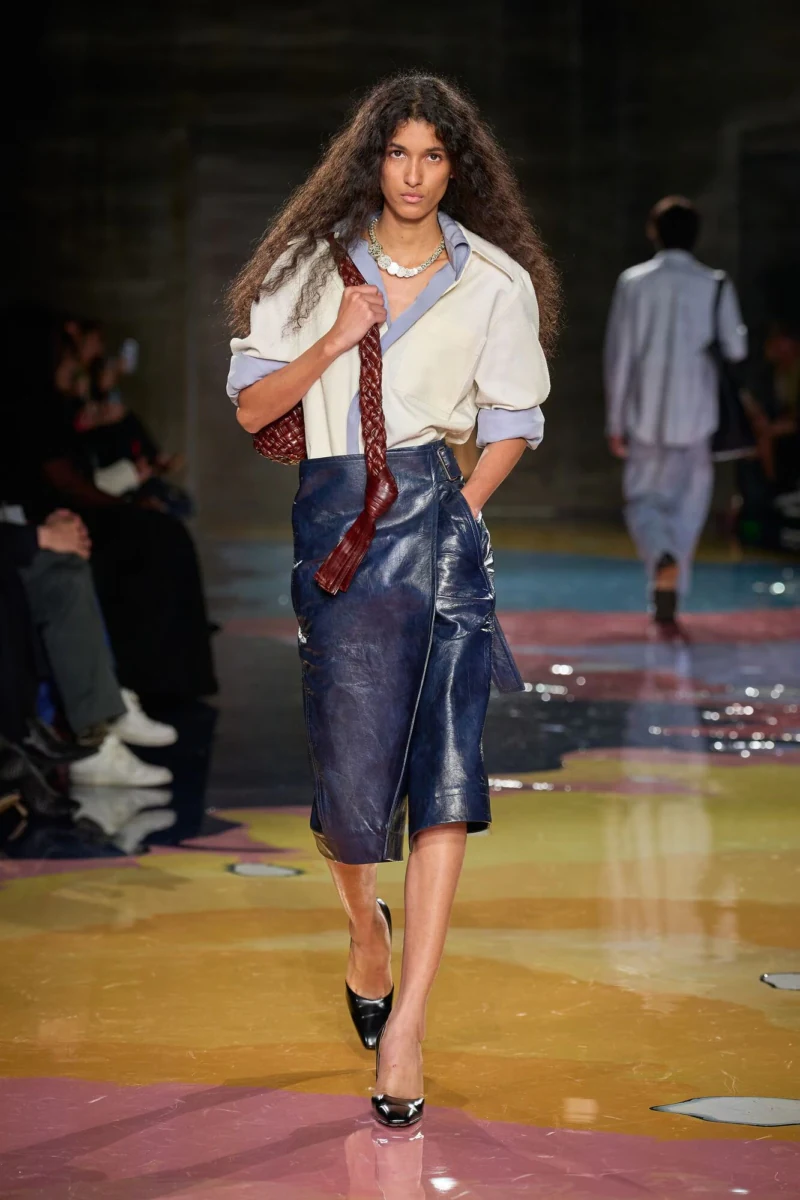
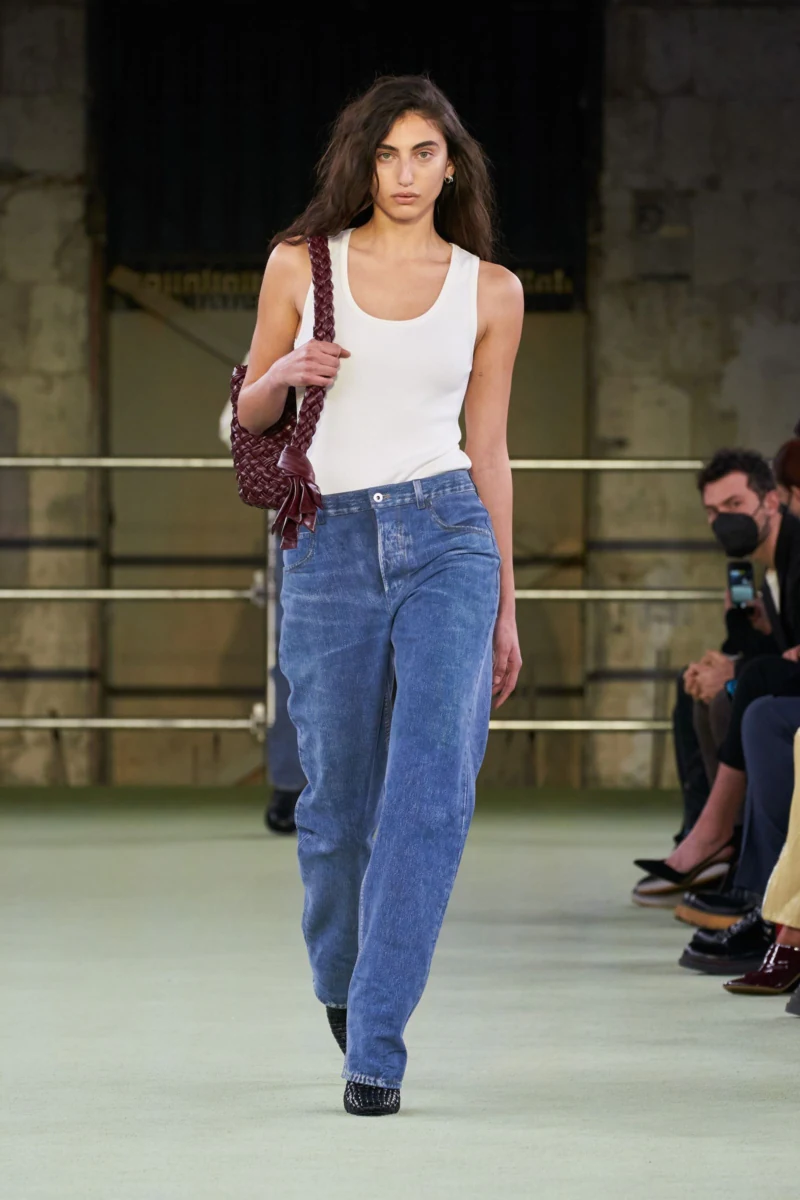
Vogue’s roundup further ranges from a paper dress by Comme des Garçons Spring 1992 and sheer shirts from Helmut Lang Spring 1993, to Jun Takahashi’s gold-drenched Fall 2024 Undercover collection, Margiela’s silver-laden Spring 2027 presentation, and finally, “Jeans and a cotton tank that aren’t really jeans and a cotton tank, but leather,” from Blazy’s Bottega.
Sometimes, dear reader, the universe puts the extra in the ordinary for you.
Putting the Norm in the Normcore
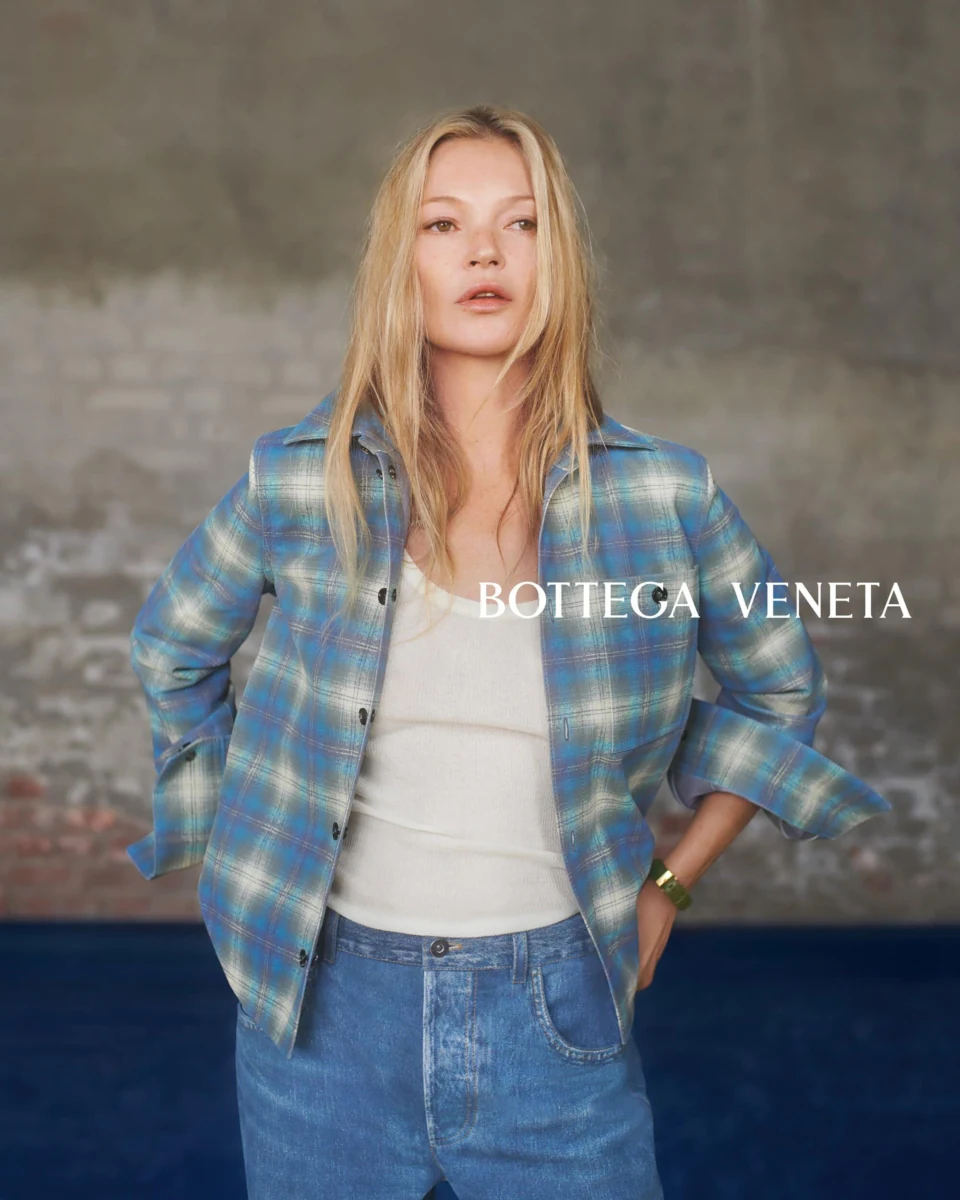
Surprisingly though, the first time I’d encountered Kate Moss, bare-faced and tousle-tressed, in that loose-fitting flannel button-down, a trite, white tank top, and slouchy, baggy boyfriend jeans that comprised look 6 of the Bottega Veneta SS23 show, it wasn’t designer Matthieu Blazy who was on my mind.
It was, in fact, Marc Jacobs.
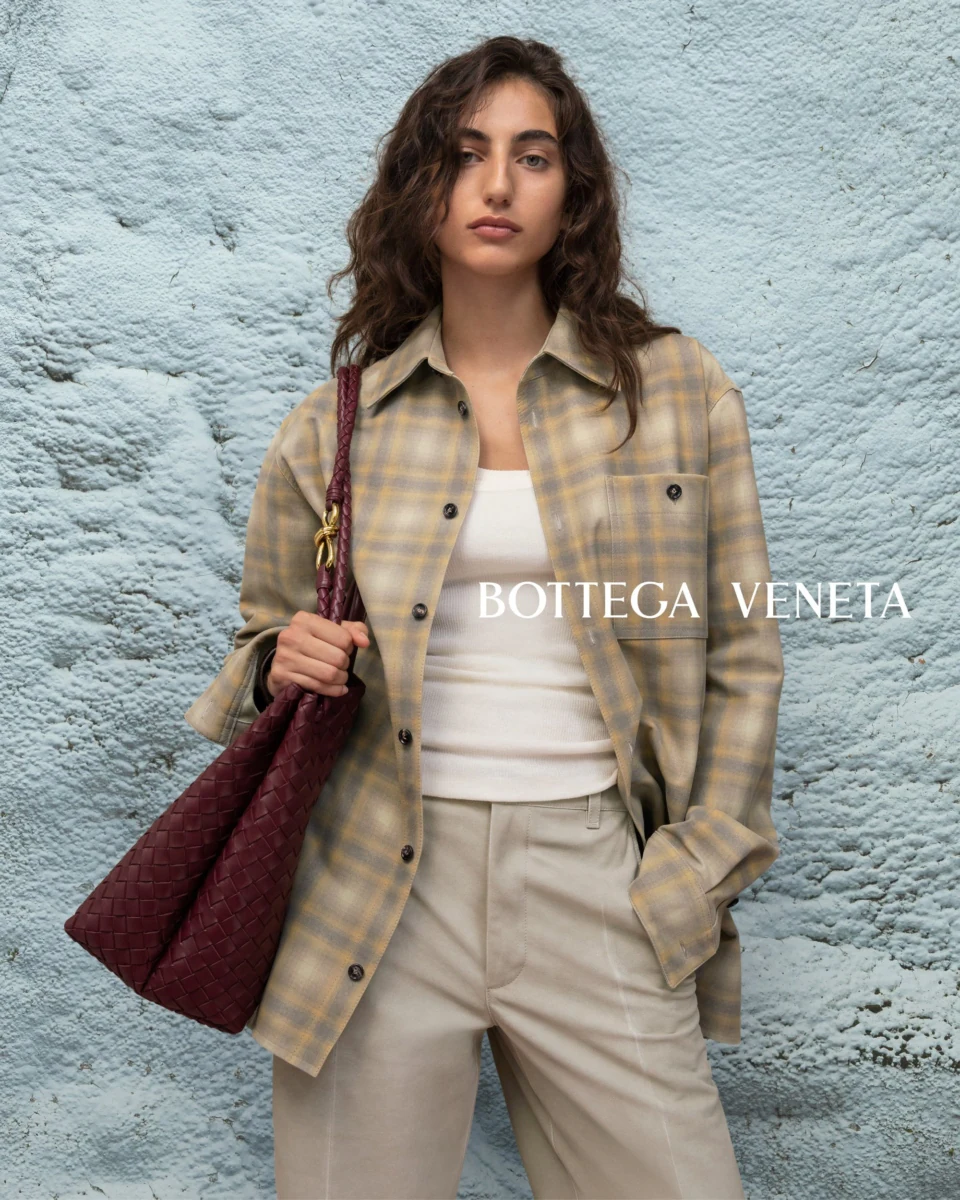
Specifically, Jacobs’ “hippied romantic version of punk” that he presented at the ill-fated Perry Ellis Spring 1993 presentation that ultimately got him fired.
“Thrifting,” the New York Times wrote in a November 1992 profile, “is a verb in Seattle. Flannel and leatherette, the boho-hobo staples of second-hand attire, are the basics of a nonfashion statement.” Jonathan Poneman, co-founder of the indie record label, Sub Pop Records, explained in the piece, “This stuff is cheap, it’s durable, and it’s kind of timeless.”
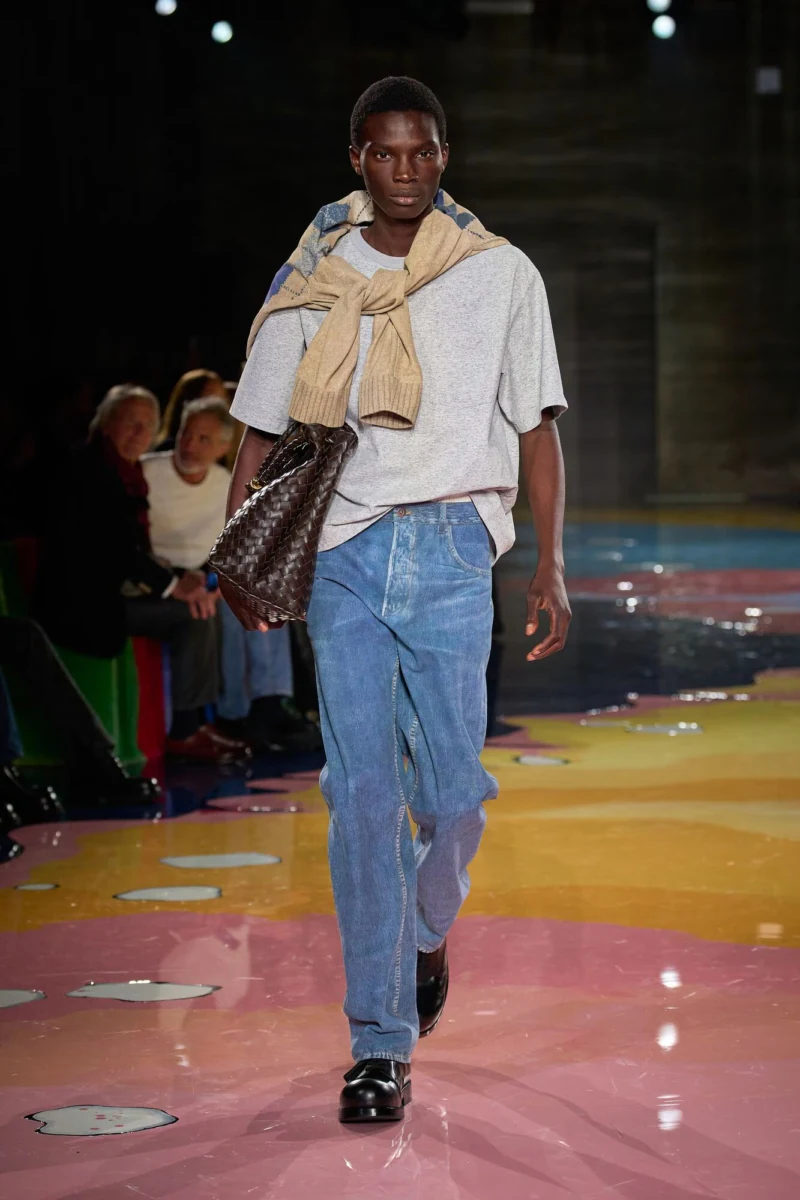
Thirty years later, Moss embodied that same Jacobsian timelessness on the Bottega catwalk. Except, where the original Perry Ellis flannel that Moss and her ilk had modeled “was in fact sand-washed silk,” Blazy’s rebuttal was to render the flannel in leather. Or rather, leather sueded, sanded and slathered with 12 layers of print to achieve the exact colorway Blazy was after.
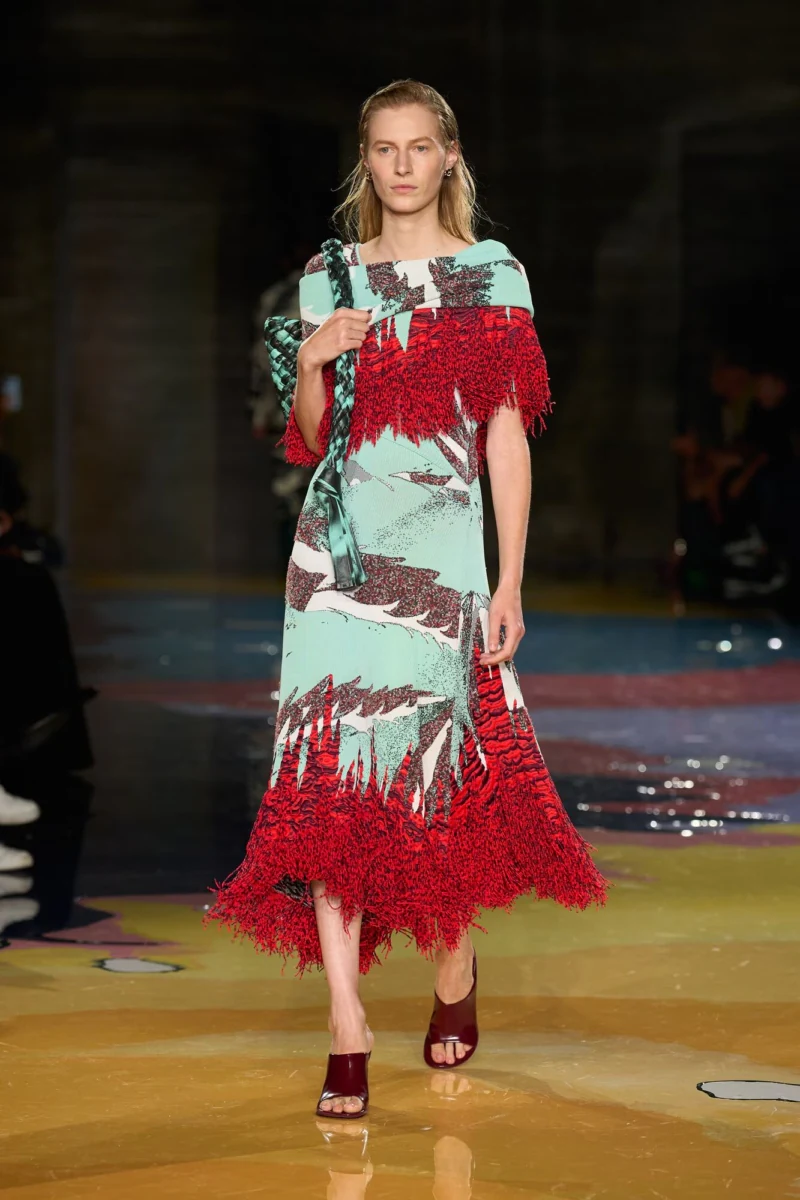
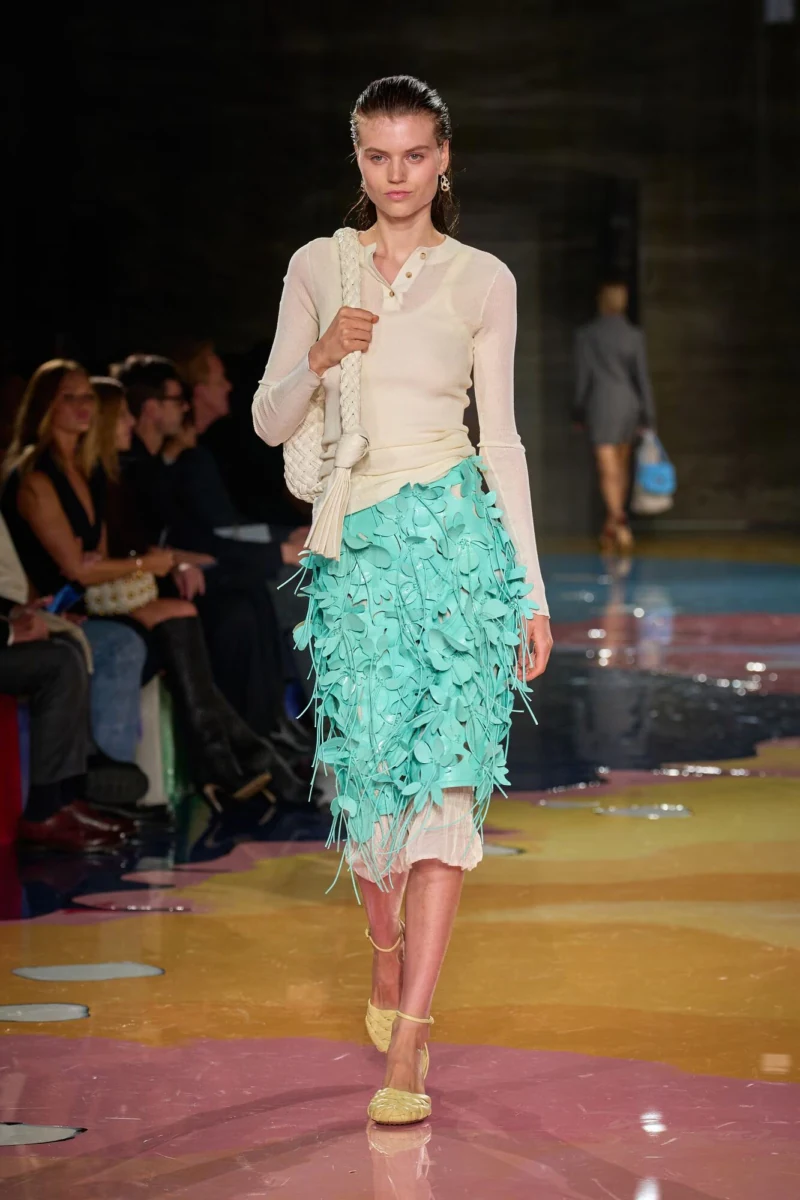
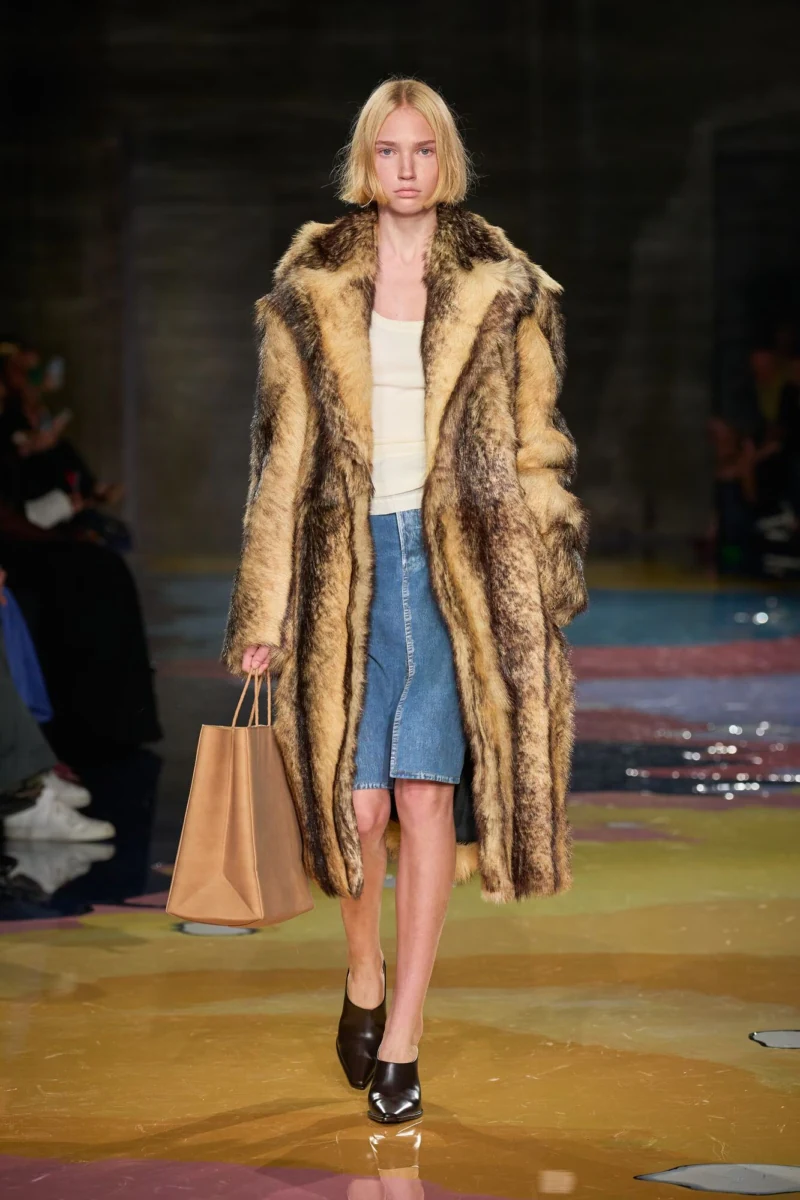
Of course, the elevated leather treatment to otherwise boring basics didn’t stop at flannel; nubuck also took form in tees, trousers and argyle sweaters.
Today, the trompe-l’œil leather jeans, with a price-tag of $7,000, are sold out everywhere. The skirts, painstakingly knitted, then intricately interlaced with fringes (“the skirt moved one way and the fringes moved every other way like a sartorial Big Bang,” wrote Vogue), retail for $29,000. A 2022 Toyota Camry averages at $22,900. “You’re surely wondering, But can’t you just wear jeans?” asks Amy Odell, “Bottega is saying, But do you WANT to drive a Camry?”
Perversity in Banality
Having been an Italian resident for years before yours truly had traipsed into the scene (or, well, existence), my dad had perfected the art of the Roman greeting: an effusive embrace with two kisses swiftly planted on both cheeks, and an ecstatic “come stai?” – the tender undertones in his booming voice often making up for the lack of the former over phone calls later in his life.
But you see, in Italian, “come stai?” is universal currency: how are you? Where did you come from? Where do you go? It’s asking everything at once.
And “come stai?” is exactly how guests at Bottega’s Spring 2023 were greeted – except, instead of warm, welcoming Italians, it was chairs. 400 of them, to be precise. Bright, kaleidoscopic, each one-of-a-kind, created by dipping cotton canvas into tinted resin that pooled into the resin ‘flood’ on the floor, specially commissioned by Blazy for Italian industrial designer, artist and architect Gaetano Pesce. “Gaetano said to me: ‘When you think of me, you have to think, Come Stai? – and you have to reply, Tutto Bene!’” Blazy recalls.
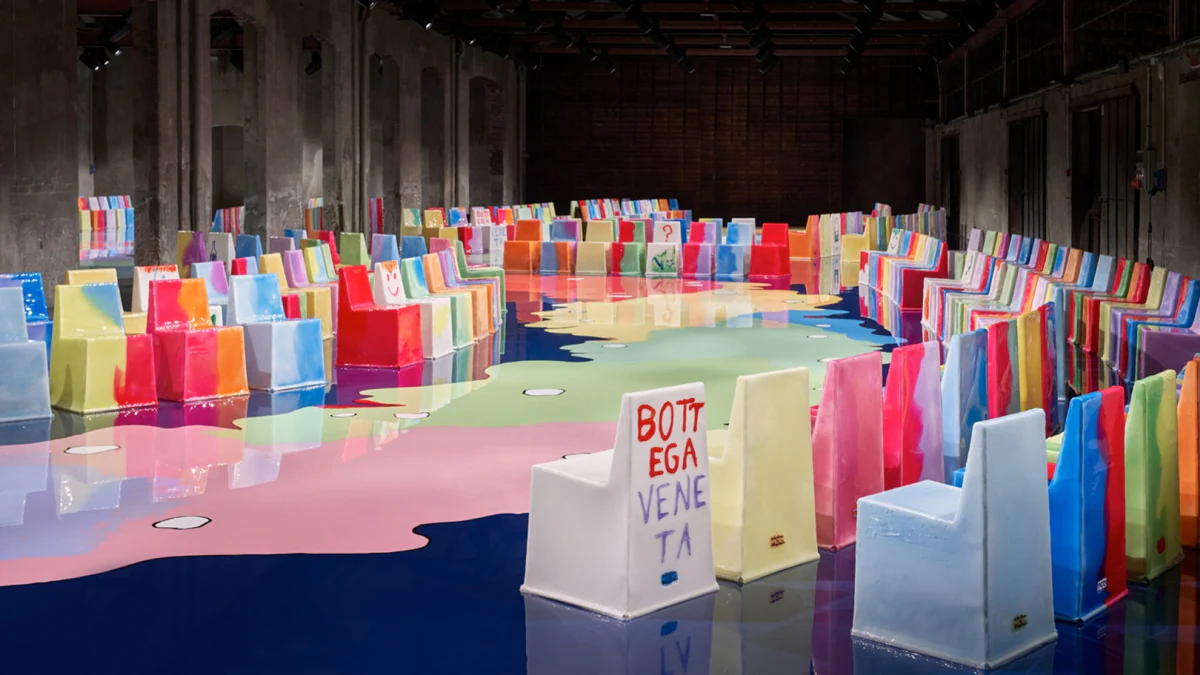
The guests, for their part, couldn’t help but smile. And for Pesce, who’s since passed, it was one of the last significant commissions of his illustrious career.
Yet, the chairs, later available for purchase (with a five-figure price-tag), were part of Blazy’s wider creative choice. “From the perverse banality of the everyday nubuck looks, to the eroticism of ultra-sophistication through tailoring, via the look of the bourgeois left of the past, to the souvenirs worn by a globe-trotter…” he wrote in the notes, “it’s like the world in a small room.”
And it was within that small room, flanked by Pesce’s funky, playful chairs, that Blazy’s different archetypes came to life: all clad in the characteristically mundane, but set apart by the hours of craft (and the stratospheric price-tag) behind it, only known to its wearer. Like Pesce said, “We are all different and this is our defining quality – otherwise, we are just a copy.”
Own Initials, Own Instagram
In case you missed it, dear reader, the planets are in retrograde – Mercury, Venus, Saturn, Neptune and Uranus. And like that ex-boyfriend who slides back into your DMs come retrograde season, Bottega Veneta too is back on Instagram, breaking nearly six years of internet abstinence with a simple charcoal-gray story reading “Ciao”. In one of the fancier fonts, obviously.
You see, on January 5, 2021, Bottega Veneta had made its grand Venetian exit off the ’gram. “Bottega has decided,” said Kering CEO François-Henri Pinault, “to lean much more on its ambassadors and fans.”
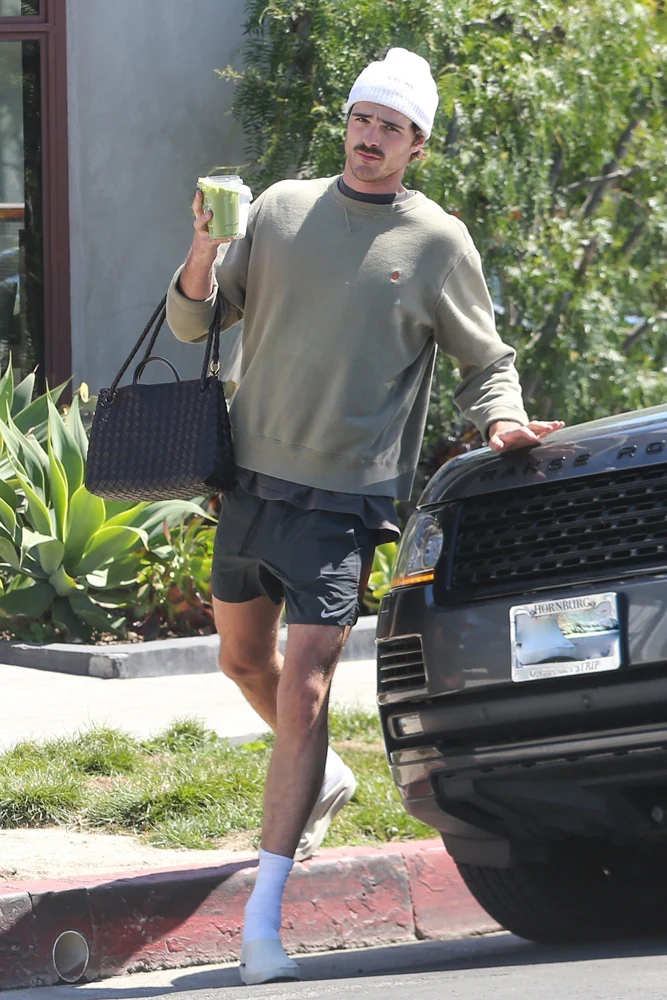
And the fans (and fan pages) came in droves. Instagram’s @newbottega, for one, became fashion’s unofficial source of Bottega banter, while Jacob Elordi’s viral pap-shot, balancing the Spring 2023 Andiamo with his coffee on one hand and an iced-matcha on the other, sold us on the accessories.
Elordi’s Bottega contract, in fact, is something of an industry legend. Because not only did the Aussie six-foot fiver take the brand’s hit-bags and suiting on airport-runs and red-carpets, but also as Nate Jacobs into the final season of Euphoria, wearing that same trompe l’oeil leather button-up Kate Moss modeled three years ago. “Just how much of Naz’s money Nate took straight to the Bottega Veneta boutique in Glendale,” wonders GQ’s Samuel Hine. “Ironically, with all that Bottega, he could have paid for the wedding florals!”
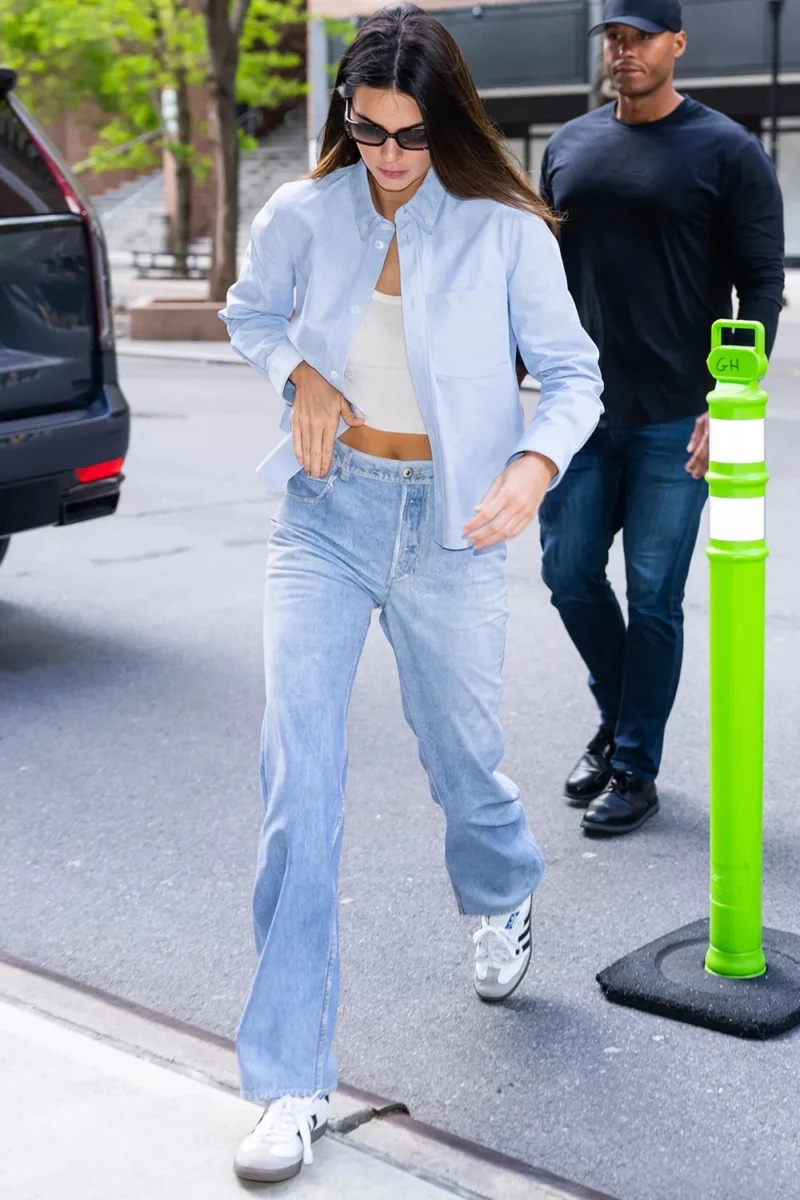
Not to mention, Bottega beau and Elordi-darling Kendall Jenner subsequently wore those SS23 lightwashed leather jeans and leather Oxford shirt too.
Now, Louise Trotter is applying that same Blazy ethos on the Bottega ’gram.
“Bottega Veneta is shitposting,” said content-creator Michael Kirreh when the brand, following its first story out of social hibernation, shared 60 images in seemingly random chronology, within the space of 2 hours.
But rest assured, this was far from arbitrary.
“Conceived as a visual Intrecciato,” reads the company’s (short) statement, “they weave together six decades of people, places and perspectives, where past and present sit alongside one another.” In the mix is Lauren Hutton holding her Bottega Lauren clutch (“Lauren and Lauren,” it says), weaved in with a 1992 shot of a red car parked in front of the brand’s Beverly Hills store; a portrait of its young cofounder captioned “19?? Renzo,” a black-and-white picture of the New York store opening in 1972; and a shot of Andy Warhol’s 1978 campaign with a Bottega shopping bag.
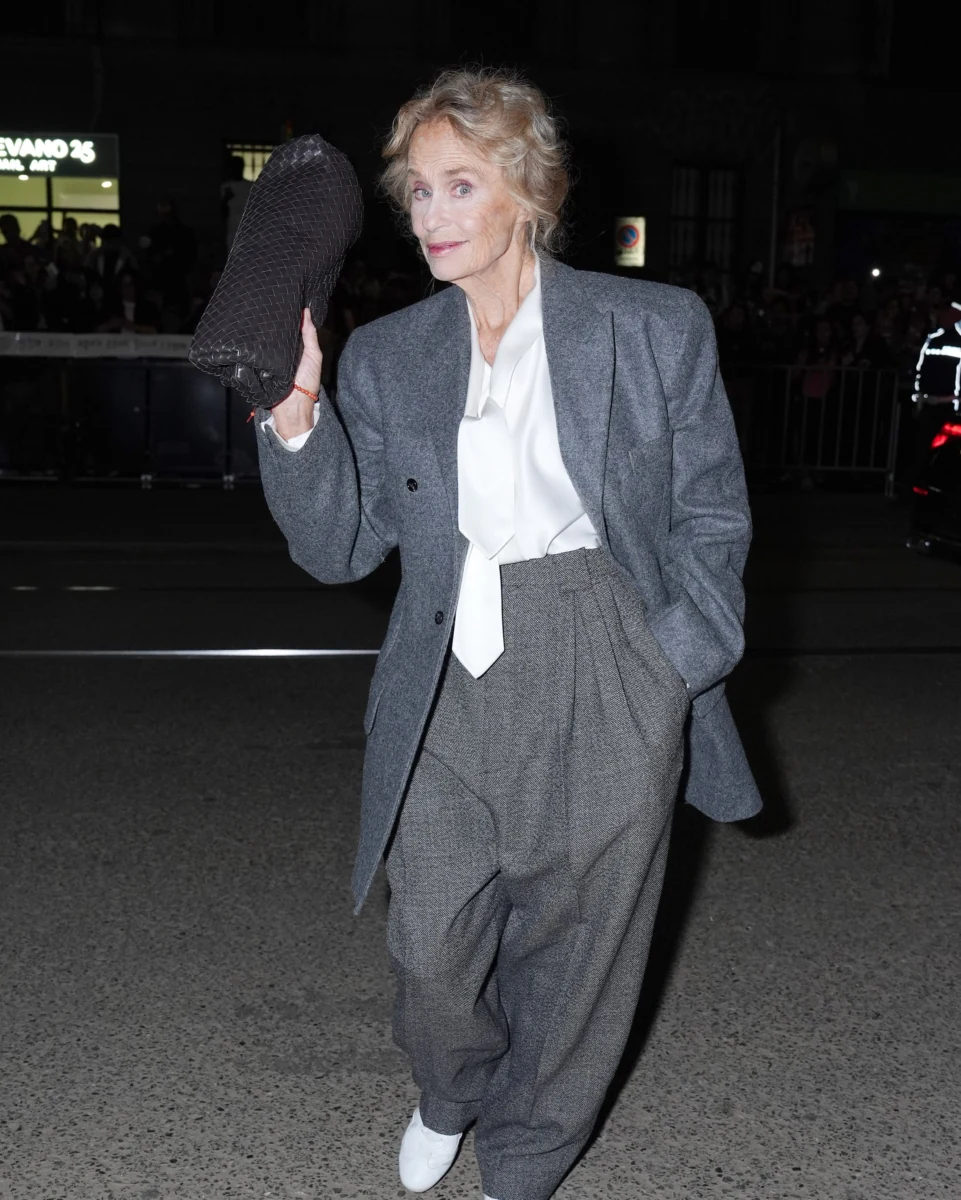
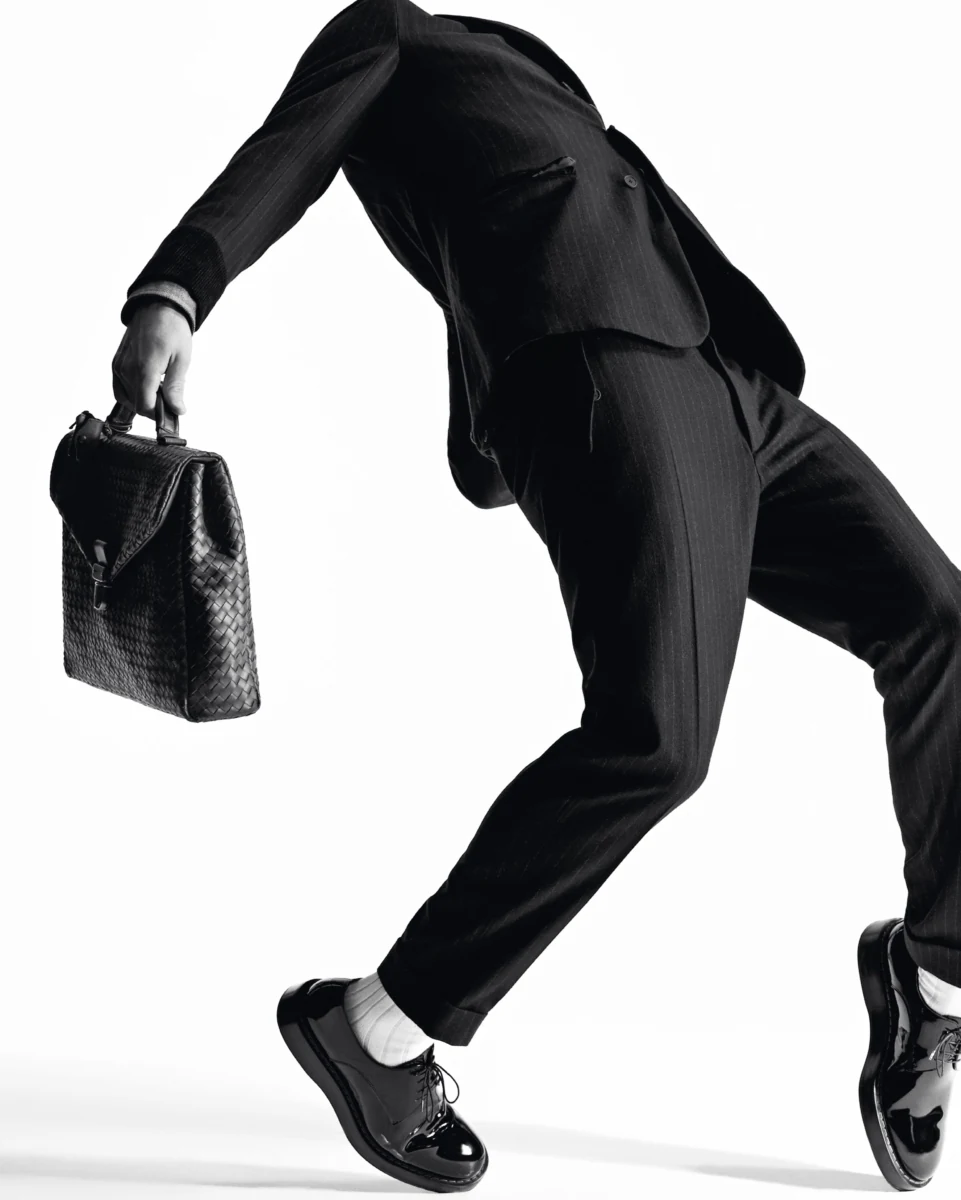
And instead of a logo on the bag, it says, “When your own initials are enough.”
Each image is closely cropped; you can’t just mindlessly scroll through Bottega content; you’re forced to open up each individual post and engage. Get up close and personal, and only then you see the everyday anew.
Related Post

Lily Collins Is Fully In Her Birkin Era
Filming has officially begun for the sixth and final season of Emily in Paris, which [...]
Prada Takes Over the Reins As the World’s Most-Wanted Luxury Brand
If you’re a fashion lover who’s chronically online, chances are you have a pretty good [...]
Three New Bottega Veneta Bags to Know—Straight from the Fall 2026 Runway
Louise Trotter’s sophomore collection for Bottega Veneta is a beautiful study in intimacy—of clothing, memory, [...]