Why We Keep Falling for Brand Collabs (Even When We Know It’s Marketing)
When was the last time you set an alarm for a product drop?
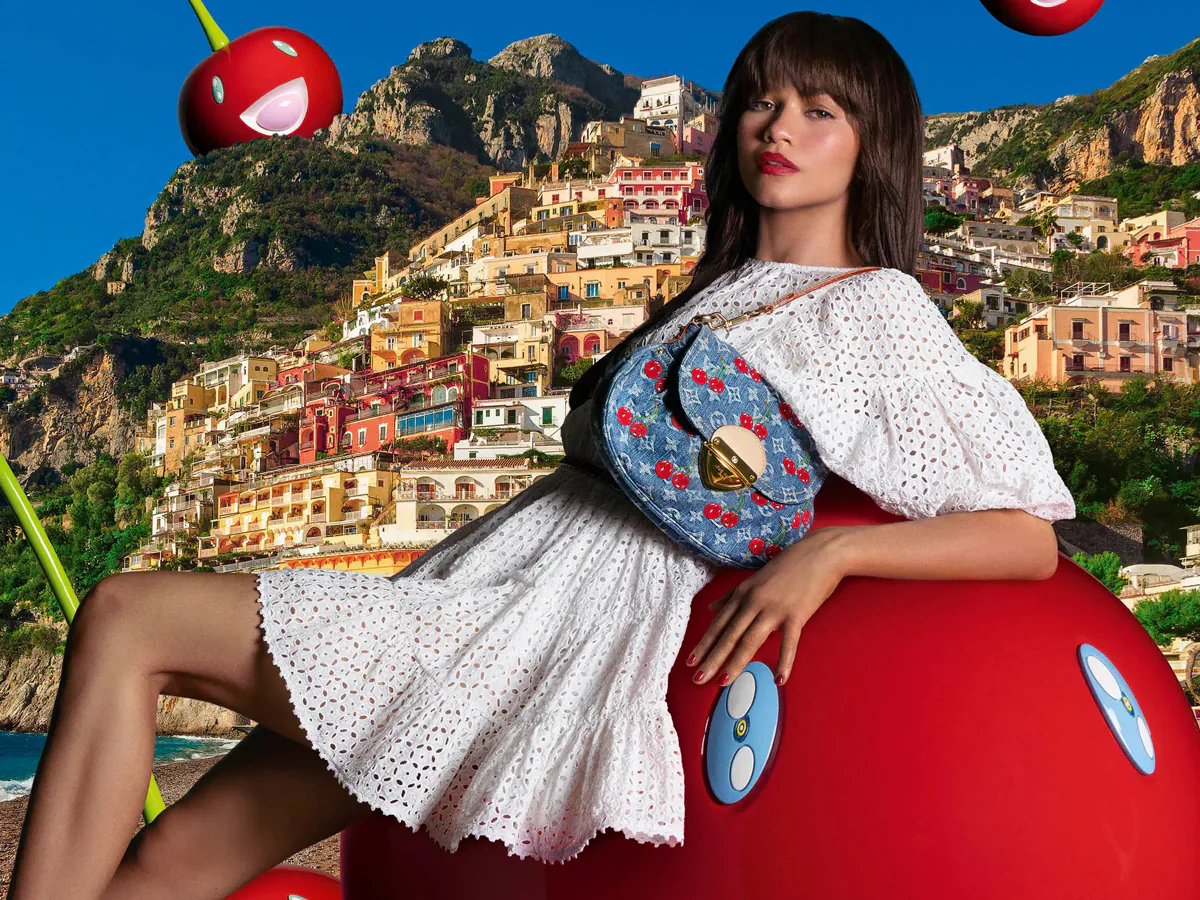
Was it in 2017, when Louis Vuitton and Supreme turned a red box logo into a global stampede of pop-up lines? Maybe it was 2011, when Target x Missoni crashed Target’s website on launch day. Or maybe it was more recent, when Louis Vuitton brought back its Takashi Murakami collaboration and the cherry-printed Speedys were suddenly everywhere again. Resale interest followed: The RealReal reported searches up 108 percent and average selling prices rising 34 percent.
Here’s the curious part. Most of us know exactly what’s happening when a brand announces a collab. We know it’s a marketing strategy, and we know the scarcity is at least partly manufactured. And yet, we buy anyway or, at the very least, set up an alarm to browse through products and seriously think about buying.
What is it about the word “x” that works so reliably?
Two Brands, One Irresistible Story
Let’s start with basic fashion math: a collaboration takes two things that we already recognize and combines into something we’ve never seen before, which makes for a double draw.
Laura Sawyier, a behavioral style expert, says that’s part of the appeal: “We love the familiar because it feels safe, and we love the new because it gives our brain a small hit of dopamine, the chemical tied to reward and anticipation.”
“A collab within fashion brands gives us both,” explains Sawyier. “Many of us grew up familiar with the Gap denim jacket, and if you know Victoria Beckham’s brand, you know she brings polish. Put them together and something we’ve seen a hundred times suddenly feels fresh.”
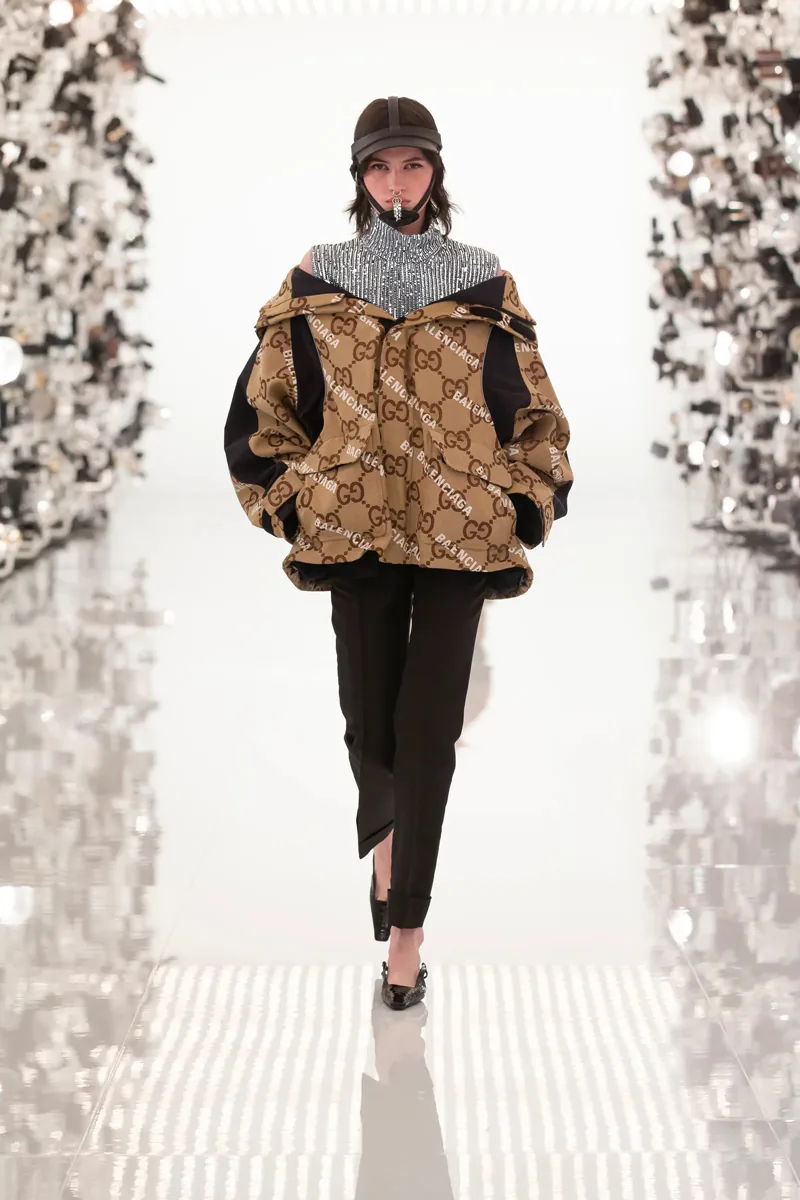
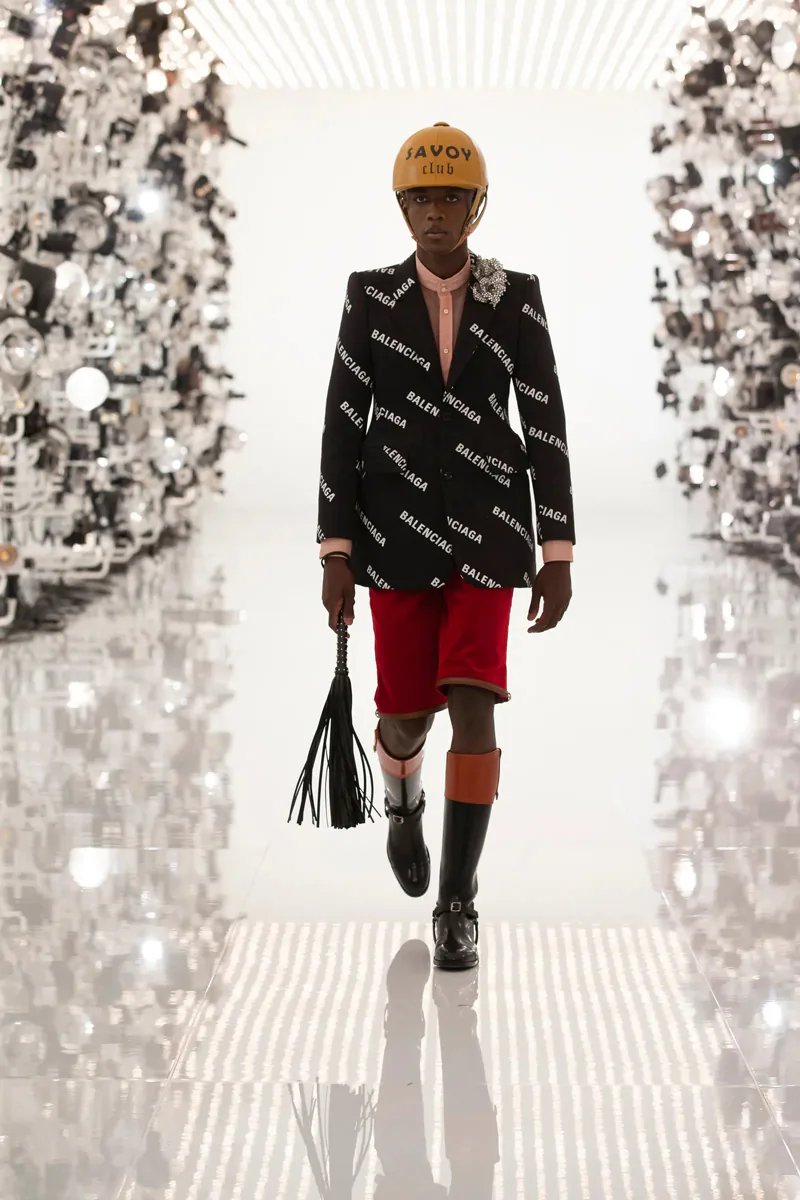
That tension explains why the most successful collabs often pair brands that seem to have no business being together. When Gucci and Balenciaga launched The Hacker Project in 2021, part of the thrill was seeing the Jackie 1961 wearing another house’s codes. That same year, Fendi and Versace swapped design duties for Fendace, and the results sold out quickly. Fendace bags continue to maintain a high value on specialized resale platforms.
A collab is a crossover episode for your closet. You already know the characters, and now you want to see what happens when they meet.
The Clock Is Always Ticking
Then there’s the scarcity, which is where things get a little less romantic and very much real.
Limited runs, surprise drops and “while supplies last” messaging all tap into one of the most studied quirks of human behavior: we value things more when we think we might lose access to them.
“A countdown still triggers the fear of missing out, even when we know it’s marketing, because the feeling of scarcity works faster than logic,” Sawyier says.
It’s the same thought process behind the Labubu blind-box frenzy: a permanent item can wait until next month, but a capsule that disappears Friday demands a decision now, and a decision made under pressure rarely comes with a long list of pros and cons.
You’re Not Just Buying a Bag, You’re Joining a Moment
Collabs also do something regular seasonal releases rarely do: they make a purchase feel like an event.
There’s the countdown! The leaked images! The group chat commentary! The celebrity seeding! The unboxing videos! Owning the piece means you were there and part of it all.
“Plenty of shoppers play along knowingly because the chase is half the fun,” Sawyier says. “We’ve watched people line up for Target designer drops or stay up late online anticipating their releases for years. Getting the piece feels like a win, not just a purchase, which is an added layer of dopamine… like winning a race.”
That’s especially true of streetwear x luxury pairings, which let a buyer claim two identities at once. A Supreme-stamped Louis Vuitton bag says you appreciate heritage craftsmanship and get the culture. Few other purchases can do both.
“I Know It’s Marketing” Doesn’t Protect Us
This brings us back to the question in the headline. If we can see the strategy so clearly, why doesn’t that make us immune?
As Sawyier puts it, “Knowing the game doesn’t stop us from playing it.”
Some of it may be that we don’t really want to be immune because… who cares? The chase is part of the fun, much like refreshing a page at 10 a.m. with a friend on FaceTime, or the small thrill when the checkout finally goes through. Recognizing the machinery doesn’t make the experience any less enjoyable. For plenty of shoppers, being in on it is sort of the appeal.
The Resale Math Helps
Of course, we’d be remiss not to mention money. Collaborations have a habit of holding their value, which makes a splurge feel a lot like strategy.
There’s another layer to the appeal, Sawyier says: “And with limited runs you’re not just shopping anymore, you’re collecting.”
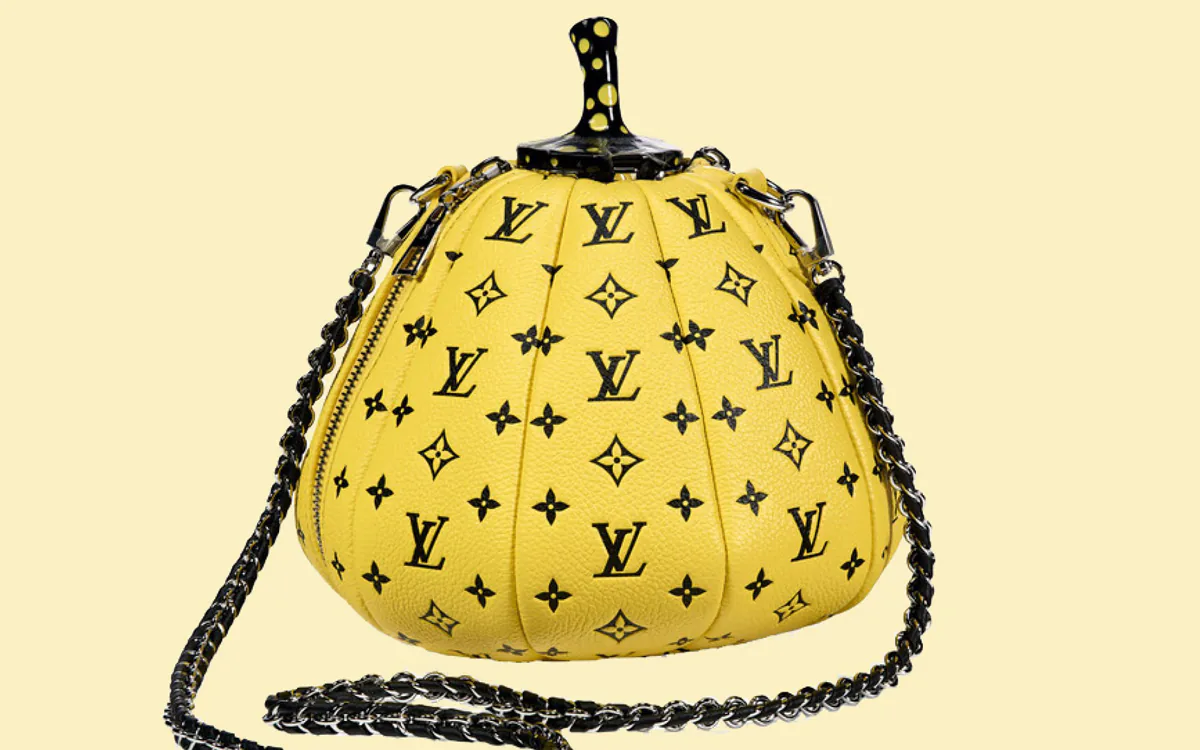
The most extreme example: a Louis Vuitton x Yayoi Kusama Pumpkin minaudière from the 2023 revival sold for $151,200 at Christie’s New York in September 2024. That’s not typical but it shows how collectors can treat these pieces as cultural artifacts as much as accessories.
Not every collab is a future auction lot, though. For every Fendace, there are countless capsules that ended up on the sale rack. Part of the thrill is not knowing which kind you’re holding.
And that collecting instinct can overlap with something even more social: the feeling that buying the right collaboration gets you into a club.
“A seasonal piece says ‘I shop here.’ But a collab says ‘I was paying attention, and I got in,’” Sawyier says. “It’s an instant signal to others in the know. People who recognize the piece recognize you, and that connection happens before a word is spoken.”
That can be especially potent with high-low collaborations, she says, where the appeal isn’t only the designer but the feeling of having figured out how to get a piece at a lower price point. “You know the designer, and you were smart enough to get it at a lower price point compared to the ‘high’ brand’s standard price,” she says.
In other words, the little “x” isn’t just combining two brands. It can make the person wearing it feel like they are part of the story, too.
Related Post
Celebrity Bag Lovers Show Off Vintage Fendi, New Dior and More as August Winds Down
August is winding down, but celebs, it seems, are just getting started. From LA to [...]

Introducing the PB Field Guide
Bags in the Wild has been part of PurseBlog for years, and if your comments [...]
Chanel Quietly Raised Prices Again, But Only on Its Hottest New Bags
Chanel price increases are typically anything but quiet. There are rumors, whispers from sales associates, [...]