Republic Brands Group Acquires Rebecca Minkoff and Says It Will Double the Business
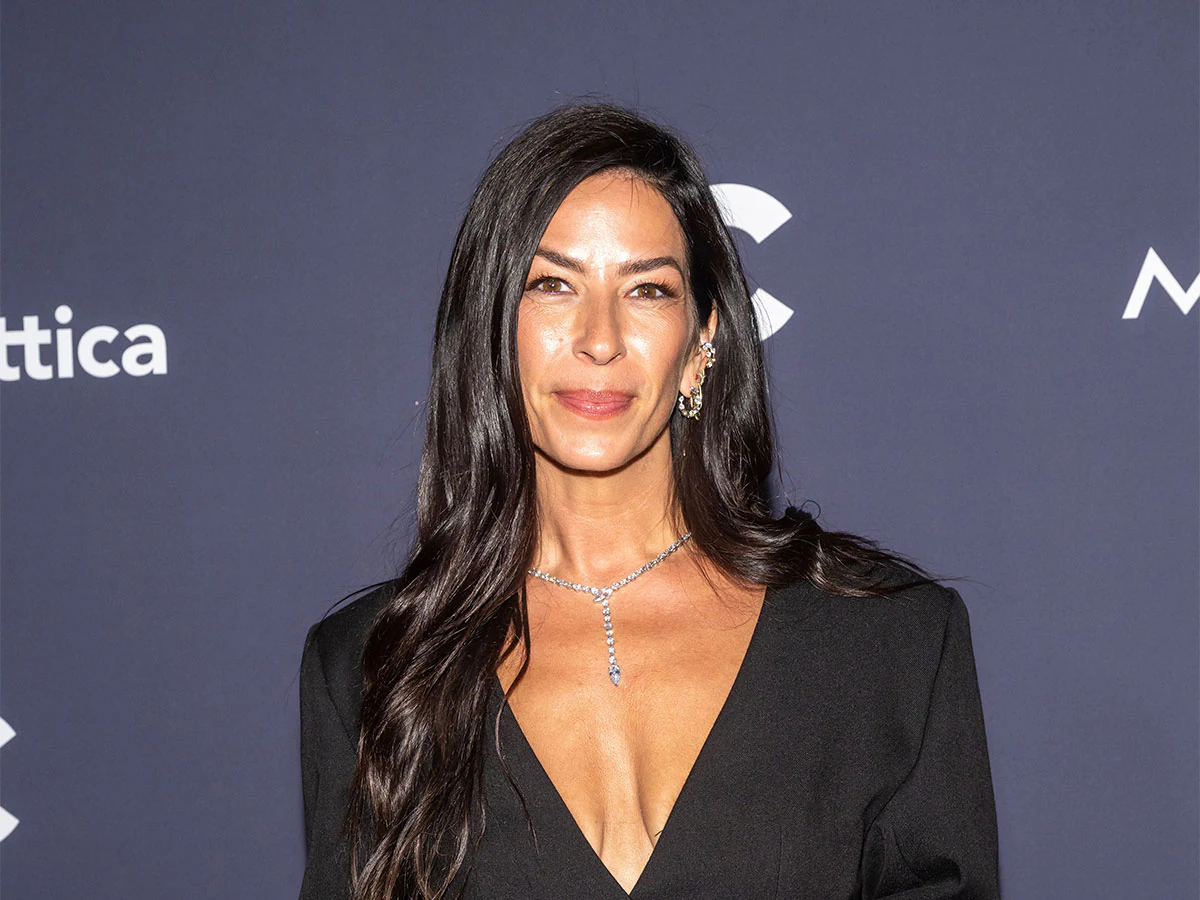
Rebecca Minkoff has been around long enough that the Morning After Bag, which launched the brand in 2005, now counts as a throwback. Megs and I still vividly remember first meeting Rebecca around 2007 working out of her small NYC apartment.
Sunrise Brands bought the label in February 2022, and starting in July 2025 it rebuilt itself around licensing deals instead of making everything itself.
Now it has a new owner. Republic Brands Group, a New York company that owns, licenses and manages brands, has acquired Rebecca Minkoff, as The Business of Fashion first reported early Monday. Republic confirmed the deal a few hours later in a press release on Business Wire.
Financial terms weren’t disclosed, and founder Rebecca Minkoff stays on as chief creative officer.
What Republic Bought and What It Plans to Do
Republic, led by founder and CEO Sami Souid and president Marc Benitez, says it wants to double the business in 2027 through more international licensing deals, wider retail distribution and collaborations. On the retail side, the focus is department stores, specialty retailers and the brand’s own e-commerce site.
The release doesn’t define doubling, though. Souid told FashionUnited that it refers to sales of Rebecca Minkoff products by the brand’s licensing partners. He expects those to come in around $150 million for 2026, which puts the 2027 target at about $300 million.
That’s partner sales, not Republic’s own revenue. Republic tracks its royalty income separately and isn’t publishing detailed results.
The release also doesn’t name the seller, though it quotes Griffin Guez as the brand’s former CEO. Sunrise Brands has owned Rebecca Minkoff since 2022, but we haven’t seen a source confirm it was on the other side of this deal.
How Rebecca Minkoff Became a Licensing Brand
In general, a licensing model means the brand owner keeps the name and the creative direction, while outside companies develop, make and distribute products in a given category and pay royalties for the privilege. (It’s a business in which you get paid when someone else does the manufacturing, which is a nice position to be in.)
When Rebecca Minkoff made that switch in July 2025, Fashion Dive reported partnerships for handbags, loungewear, footwear and jewelry, plus more than 900 points of distribution worldwide. The licensees themselves haven’t been named in anything we’ve read.
What Changes for Rebecca Minkoff Bag Shoppers
In the short term, probably not much. FashionUnited reports that handbags and existing retail partners come first, so if you buy your Minkoff bags at a department store, they should keep turning up there.
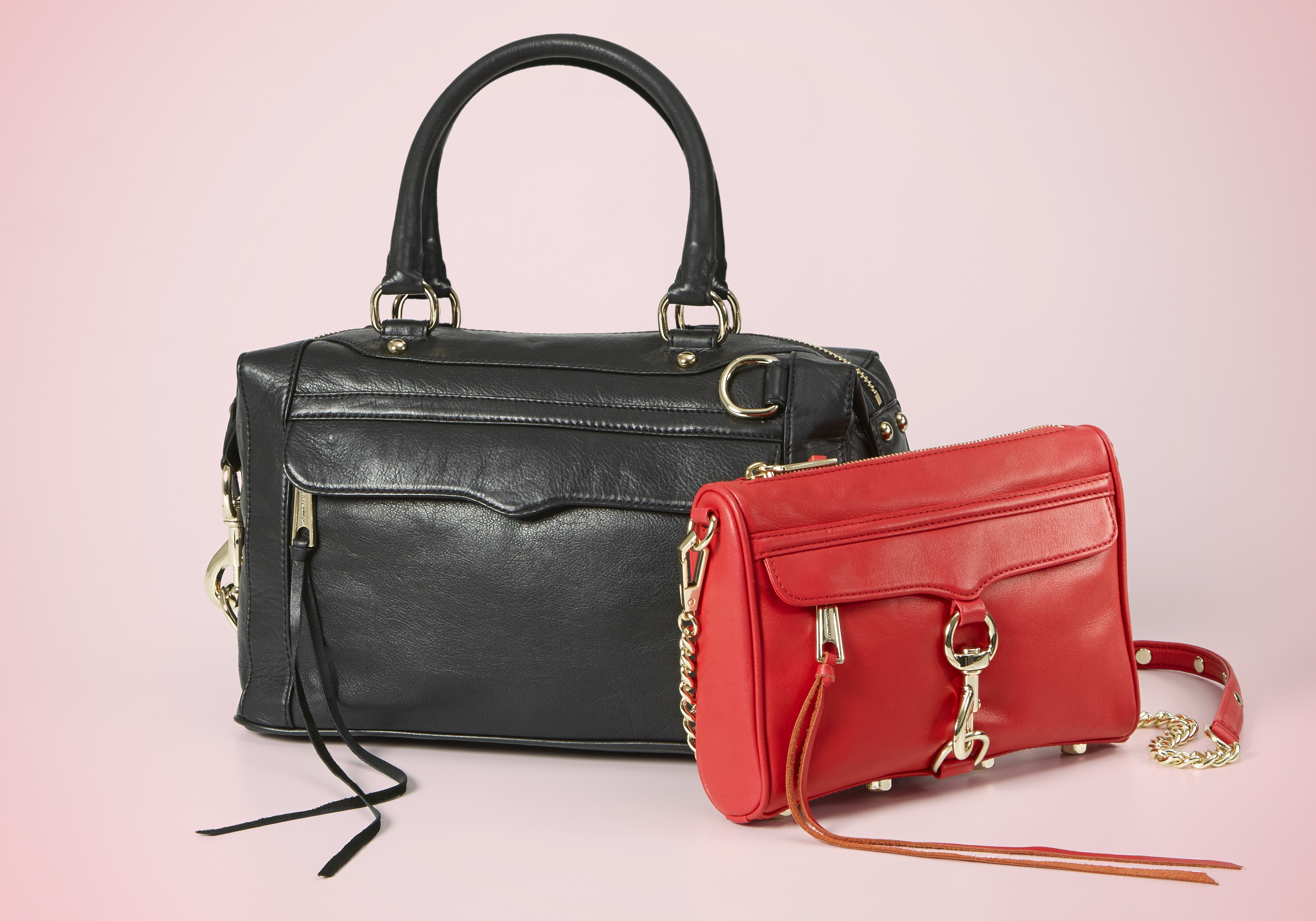
The longer-term question is consistency. When licensees make the bags, keeping quality and design steady across categories takes real work. Minkoff seems aware of that: she told FashionUnited by email, “I’m selective about where my name goes.”
Pricing is where I’d keep expectations modest. A plan to double sales through more retailers and new countries rarely pushes full prices up, and more doors usually mean more markdowns for a brand already at accessible price points, which tends to keep resale values soft.
If you love the brand’s bags, that’s not a terrible trade: you may find one on sale more easily. Expect more collabs too.
Nobody has said yet what happens to the brand’s own stores or who designs the bags day to day. Until Republic does, it’s hard to say how different Rebecca Minkoff’s handbags will look a year from now.
If you want a reminder of where it all started, our look back at celebrities and their Rebecca Minkoff bags covers the brand’s early years.
Related Post
Louis Vuitton LV Ski 2026 Just Hit—and You Won’t Believe Which 2000s Icon Is Back
As autumn settles in and temperatures begin to drop, thoughts inevitably turn to the season [...]
Louis Vuitton’s Latest Goes Micro—But the Cost Is Anything But Small
Rooted in Louis Vuitton’s rich heritage of travel, the Fall 2025 collection introduced a new [...]
The Best Snaps Coach Lovers Shared to tPF So Far This Summer
Like many of you, long before I would even dream of working at PurseBlog, years [...]